Frequently Asked Questions
What services does Bryan Exhaust Service offer for kitchen hood systems?
Bryan Exhaust Service offers comprehensive kitchen hood cleaning services, including thorough exhaust system cleaning, compliance inspections with NFPA 96 and California Mechanical Code, and maintenance to ensure safety and efficiency in commercial kitchens.
How can I ensure my commercial kitchen hood complies with safety standards?
Ensuring your commercial kitchen hood complies with safety standards involves regular professional cleaning and maintenance, adherence to NFPA 96 and California Mechanical Code guidelines, and scheduling inspections by certified experts like Bryan Exhaust Service.
What is the process for scheduling a kitchen hood cleaning service?
The process for scheduling a kitchen hood cleaning service involves contacting Bryan Exhaust Service directly via phone or our website. Our team will discuss your needs, provide an estimate, and set a convenient date for the cleaning.
What types of kitchen hood systems are available?
The types of kitchen hood systems available include wall-mounted, island, and under-cabinet hoods, each designed for specific kitchen layouts and cooking styles to effectively ventilate smoke, heat, and odors.
How often should kitchen hood cleaning occur?
The frequency of kitchen hood cleaning should be based on usage and local regulations. Typically, commercial kitchens should have their hoods cleaned every three to six months to ensure safety and compliance with industry standards.
What safety standards apply to kitchen hoods?
The safety standards that apply to kitchen hoods include NFPA 96, which outlines fire safety requirements, and the California Mechanical Code, ensuring proper installation and maintenance for optimal performance and safety in commercial kitchens.
Can I schedule a cleaning online?
You can schedule a cleaning online with Bryan Exhaust Service. Simply visit our website to fill out the scheduling form, and our team will get back to you to confirm your appointment.
What are the benefits of regular hood cleaning?
The benefits of regular hood cleaning include enhanced safety by reducing fire hazards, improved air quality in the kitchen, and increased efficiency of exhaust systems, ultimately leading to compliance with health and safety regulations.
How does hood cleaning improve kitchen safety?
Hood cleaning enhances kitchen safety by removing grease and flammable residues that can lead to fires. Regular maintenance ensures compliance with safety standards, reducing the risk of hazardous situations and promoting a safer cooking environment in commercial kitchens.
What equipment is used for hood cleaning?
The equipment used for hood cleaning includes high-pressure steam cleaners, powerful vacuums, specialized brushes, and degreasers designed to effectively remove grease and contaminants from kitchen exhaust systems.
Are your cleaning services compliant with NFPA 96?
Our cleaning services are fully compliant with NFPA 96 standards, ensuring that your kitchen exhaust systems are maintained for safety and efficiency in accordance with industry regulations.
How long does a typical cleaning service take?
The duration of a typical cleaning service varies based on the size and condition of the kitchen exhaust system, but generally, it takes between 2 to 4 hours to complete the cleaning process thoroughly.
What areas do you serve for hood cleaning?
Bryan Exhaust Service serves the Burbank, CA area and surrounding regions, providing professional hood cleaning services to ensure compliance with safety standards in commercial kitchens.
Do you offer emergency cleaning services?
Bryan Exhaust Service offers emergency cleaning services to address urgent needs in commercial kitchens. Our team is ready to respond quickly to ensure your kitchen exhaust system remains safe and compliant.
How do I prepare for a hood cleaning?
Preparing for a hood cleaning involves clearing the area around the kitchen exhaust system, ensuring access for the cleaning team, and securing any loose items. This helps facilitate an efficient and thorough cleaning process.
What is included in your cleaning service?
Our cleaning service includes a thorough inspection and cleaning of kitchen exhaust systems, hoods, ducts, and fans, ensuring compliance with NFPA 96 and California Mechanical Code standards for safety and efficiency.
Can you provide references from past clients?
References from past clients are available upon request. We take pride in our work at Bryan Exhaust Service and can provide testimonials that reflect our commitment to quality and safety in hood cleaning services.
How do you ensure thorough cleaning of hoods?
To ensure thorough cleaning of hoods, we utilize specialized equipment and follow strict protocols that comply with NFPA 96 and California Mechanical Code standards, guaranteeing a comprehensive and effective cleaning process for your commercial kitchen exhaust systems.
What are the signs my hood needs cleaning?
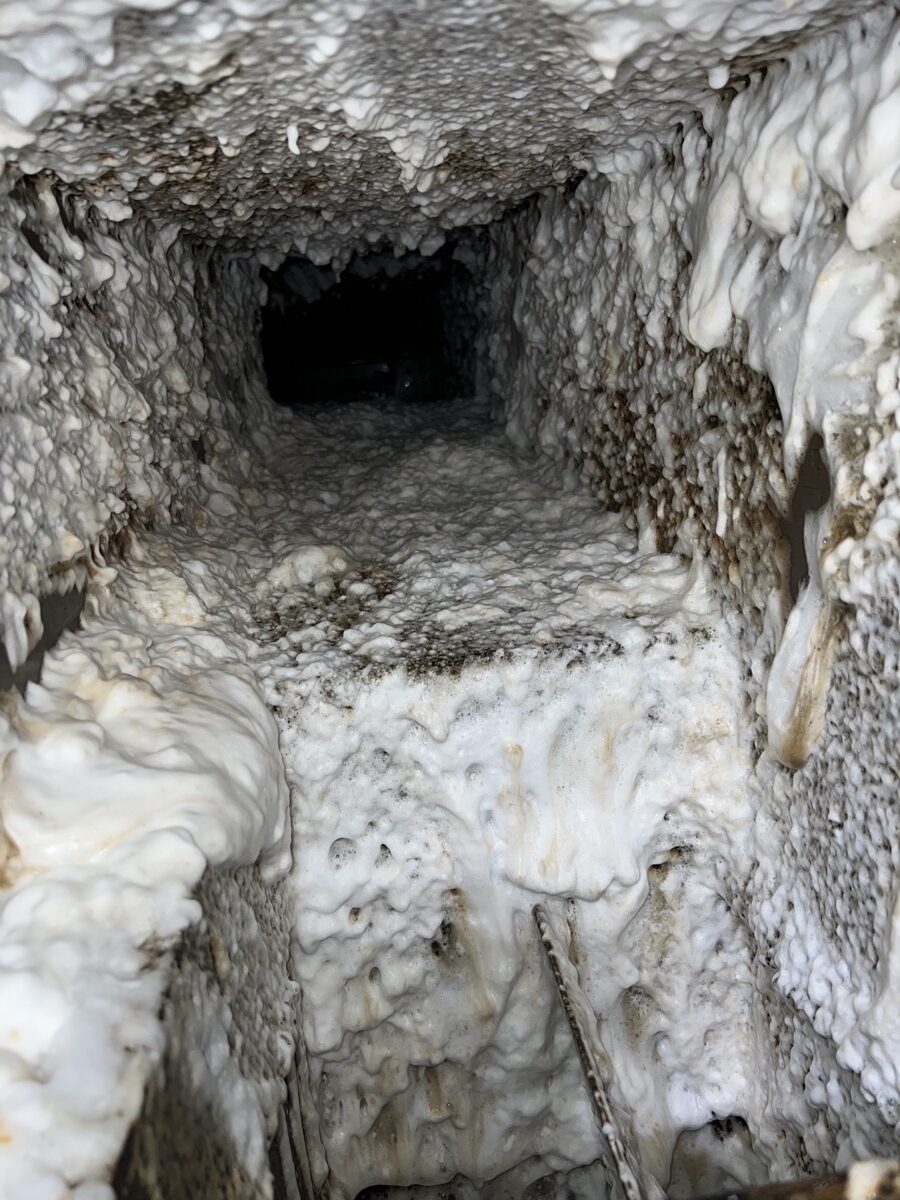
The signs that your hood needs cleaning include excessive grease buildup, a noticeable decrease in airflow, and a persistent odor in the kitchen. Regular cleaning is essential to maintain safety and efficiency in your commercial kitchen.
How do you handle grease buildup in hoods?
Handling grease buildup in hoods involves a thorough cleaning process using specialized tools and techniques to remove accumulated grease, ensuring compliance with safety standards and maintaining the efficiency of your kitchen exhaust system.
What training do your technicians receive?
The training our technicians receive includes comprehensive instruction on industry standards, including NFPA 96 and the California Mechanical Code, ensuring they are well-equipped to provide safe and efficient hood cleaning services.
Are your services insured and licensed?
Our services are fully insured and licensed, ensuring that we meet all regulatory requirements and industry standards for safety and professionalism in kitchen exhaust cleaning.
How can I maintain my kitchen hood system?
Maintaining your kitchen hood system involves regular inspections, cleaning the filters, and ensuring proper ventilation. Schedule professional cleaning services to comply with safety standards and enhance the efficiency of your exhaust system.
What is the cost of hood cleaning services?
The cost of hood cleaning services varies based on factors such as the size of the kitchen and the level of cleaning required. For an accurate estimate, it's best to contact Bryan Exhaust Service directly.
Do you offer discounts for regular maintenance?
Bryan Exhaust Service offers discounts for regular maintenance to help our clients save on long-term costs while ensuring their kitchen exhaust systems remain compliant and efficient. Contact us for more details on our maintenance plans and discounts.
How do you handle customer complaints?
We handle customer complaints by prioritizing open communication and prompt resolution. Our team listens carefully to concerns, investigates issues thoroughly, and implements solutions to ensure complete satisfaction with our hood cleaning services.
What is your cancellation policy for services?
Our cancellation policy for services allows clients to cancel or reschedule appointments with at least 24 hours' notice without any penalties. Cancellations made less than 24 hours in advance may incur a fee.
Can you provide a quote before cleaning?
Bryan Exhaust Service can provide a quote before cleaning. We assess your kitchen's specific needs and offer a detailed estimate to ensure transparency and satisfaction before any work begins.
How do you ensure minimal disruption during cleaning?
To ensure minimal disruption during cleaning, we schedule our services during off-peak hours and utilize efficient techniques that allow us to complete the job quickly while maintaining safety and compliance with industry standards.
What should I expect after the cleaning service?
After the cleaning service, you can expect a thoroughly cleaned kitchen exhaust system that meets industry safety standards, improved airflow efficiency, and a safer cooking environment, ensuring compliance with regulations like NFPA 96 and the California Mechanical Code.