Frequently Asked Questions
What is the importance of kitchen exhaust hood cleaning?
The importance of kitchen exhaust hood cleaning lies in its role in fire safety and compliance with health regulations. Regular cleaning reduces the buildup of grease and flammable materials, preventing potential fire hazards and ensuring a safe cooking environment.
How often should kitchen hoods be cleaned?
Kitchen hoods should be cleaned regularly to ensure fire safety and compliance. It is generally recommended to clean them every three to six months, depending on usage and local regulations.
What are the benefits of professional kitchen exhaust cleaning services?
The benefits of professional kitchen exhaust cleaning services include enhanced fire safety, improved air quality, compliance with health regulations, and increased equipment efficiency. Regular cleaning helps prevent grease buildup, reducing fire hazards and ensuring a safer cooking environment.
What risks are associated with dirty kitchen hoods?
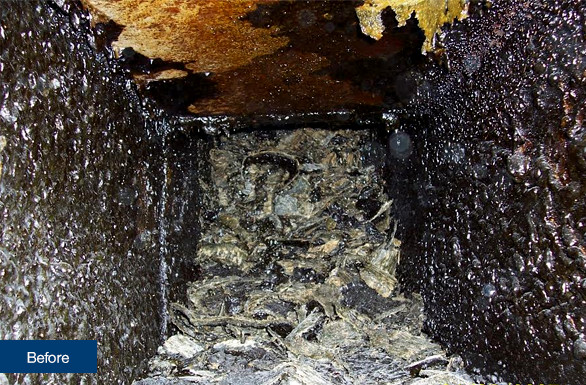
The risks associated with dirty kitchen hoods include increased fire hazards due to grease buildup, potential health violations from poor hygiene, and compromised air quality that can affect staff and customers. Regular cleaning is essential for safety and compliance.
How does hood cleaning improve fire safety?
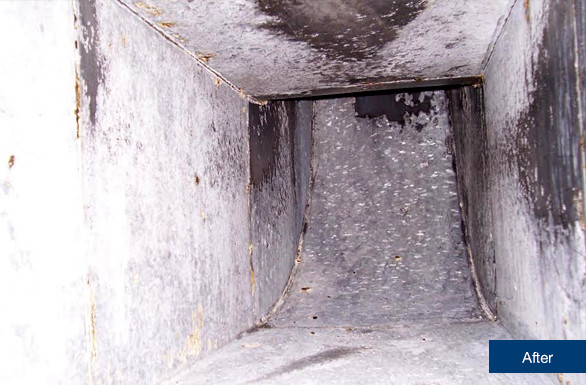
Hood cleaning significantly improves fire safety by removing grease and flammable residues that accumulate over time. This reduces the risk of kitchen fires, ensuring compliance with safety regulations and protecting both staff and property.
What regulations govern kitchen exhaust cleaning?
Regulations governing kitchen exhaust cleaning include the National Fire Protection Association (NFPA) Standard 96, which mandates regular cleaning to prevent grease buildup and fire hazards, as well as local health and safety codes that may vary by jurisdiction.
How can I tell if my hood needs cleaning?
The signs that your hood needs cleaning include a buildup of grease, an unusual odor, or visible smoke when cooking. Regular inspections are essential for maintaining fire safety and compliance with industry standards.
What methods are used for hood cleaning?
The methods used for hood cleaning include a combination of manual scrubbing, high-pressure steam cleaning, and chemical degreasers to effectively eliminate grease buildup and ensure compliance with fire safety standards.
How long does a hood cleaning take?
The duration of a hood cleaning typically ranges from one to three hours, depending on the size and condition of the exhaust system. Regular maintenance ensures efficient service and optimal fire safety compliance.
What should I expect during a cleaning service?
During a cleaning service, you can expect a thorough inspection of your kitchen exhaust system, followed by a detailed cleaning process that removes grease and debris, ensuring compliance with fire safety standards and enhancing overall kitchen safety.
Are there any signs of grease buildup?
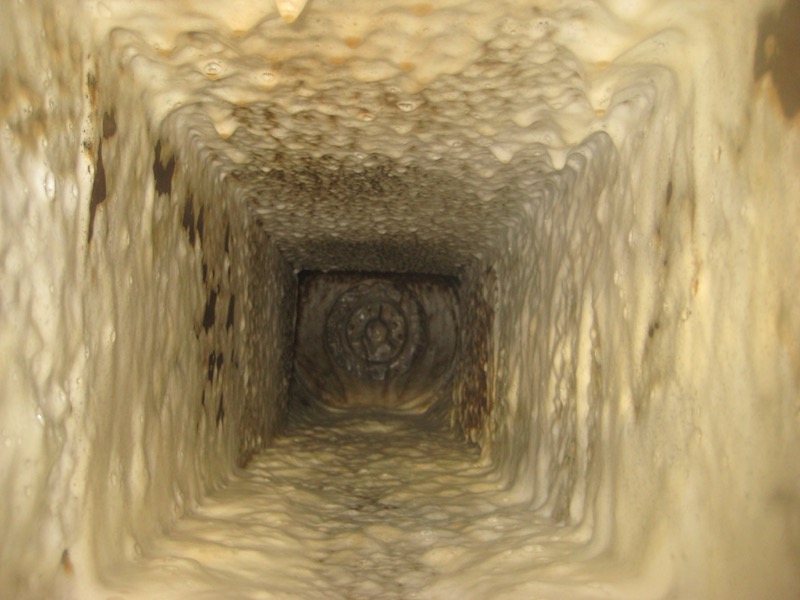
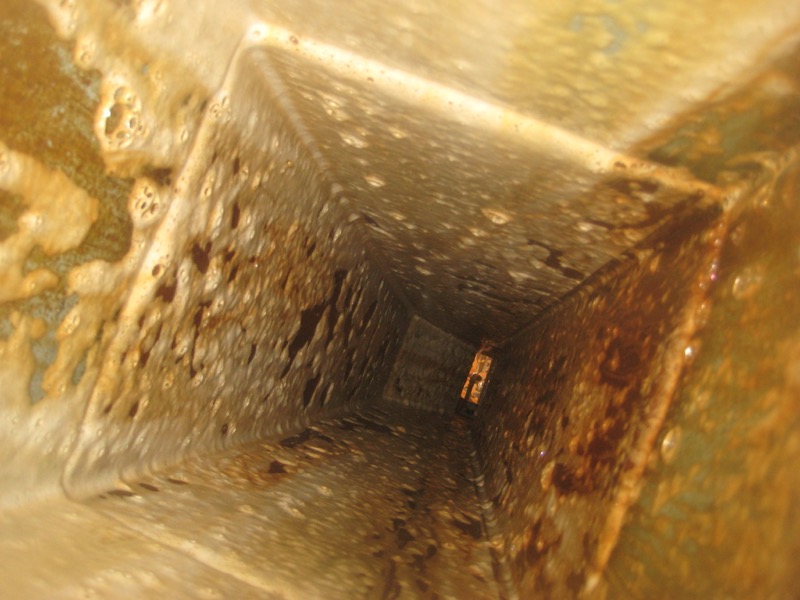
Signs of grease buildup include a sticky residue on surfaces, a strong oily smell, and visible grease accumulation on the exhaust hood and filters. Regular inspections can help identify these issues early to prevent fire hazards.
How can I maintain my kitchen hood?
Maintaining your kitchen hood involves regular cleaning and inspection. Wipe down surfaces, check filters for grease buildup, and schedule professional cleanings to ensure optimal performance and fire safety.
What equipment is used for hood cleaning?
The equipment used for hood cleaning includes high-pressure steam cleaners, degreasing agents, brushes, and specialized exhaust cleaning systems. These tools effectively remove grease and ensure compliance with fire safety standards.
How does hood cleaning affect kitchen air quality?
Hood cleaning significantly improves kitchen air quality by removing grease, smoke, and odors that accumulate over time. This process reduces airborne pollutants, creating a healthier environment for kitchen staff and ensuring compliance with safety regulations.
What are the costs of professional hood cleaning?
The costs of professional hood cleaning vary based on factors such as the size of the kitchen, the level of grease buildup, and the specific services required. Typically, prices range from $200 to $600 per cleaning.
How often do restaurants need hood cleaning?
Restaurants need hood cleaning regularly to ensure fire safety and compliance. Typically, it's recommended to have kitchen exhaust hoods cleaned every three to six months, depending on the volume of cooking and type of food prepared.
What is the process for hood cleaning?
The process for hood cleaning involves several key steps: first, a thorough inspection of the kitchen exhaust system, followed by the removal of grease and debris using specialized equipment, and finally, a detailed cleaning of all components to ensure fire safety and compliance.
Can I clean my kitchen hood myself?
Cleaning your kitchen hood yourself is possible, but it's not recommended. Professional services ensure thorough cleaning, compliance with safety standards, and proper removal of grease buildup, which can significantly reduce fire hazards in your kitchen.
What are the consequences of neglecting hood cleaning?
Neglecting hood cleaning can lead to severe fire hazards, increased risk of grease buildup, and potential health violations. This can compromise safety, result in costly fines, and damage your kitchen's reputation. Regular cleaning is essential for compliance and safety.
How do I choose a cleaning service?
Choosing a cleaning service involves considering their experience, reputation, and compliance with industry standards. Look for services that specialize in kitchen exhaust cleaning, have positive reviews, and offer transparent pricing for the best results.
What certifications should a cleaning service have?
The certifications that a cleaning service should have include industry-recognized credentials such as the National Fire Protection Association (NFPA) certification, which ensures compliance with fire safety standards, and any relevant local health department certifications.
What is included in a hood cleaning service?
A hood cleaning service includes the thorough cleaning of kitchen exhaust hoods, ducts, and fans to remove grease buildup, ensuring compliance with fire safety standards. This process helps prevent fire hazards and maintains a safe kitchen environment.
How can I schedule a hood cleaning?
Scheduling a hood cleaning is simple. You can contact Bryan Exhaust Service directly by phone or through our website to request a free estimate and set up an appointment at your convenience.
What are the benefits of regular hood maintenance?
The benefits of regular hood maintenance include enhanced fire safety, improved air quality, compliance with health regulations, and increased equipment lifespan. Consistent cleaning prevents grease buildup, reducing fire hazards and ensuring a safer kitchen environment.
How does hood cleaning impact kitchen efficiency?
Hood cleaning significantly impacts kitchen efficiency by ensuring proper airflow and reducing the risk of grease buildup. This leads to improved ventilation, enhances cooking performance, and minimizes the likelihood of fire hazards, ultimately creating a safer and more efficient kitchen environment.
What types of kitchens require hood cleaning?
The types of kitchens that require hood cleaning include commercial kitchens, restaurants, cafeterias, and any food service establishments that use cooking equipment producing grease and smoke. Regular cleaning is essential for fire safety and compliance with health regulations.
What are common misconceptions about hood cleaning?
Common misconceptions about hood cleaning include the belief that it is only necessary when grease buildup is visible, or that it can be done infrequently. In reality, regular professional cleaning is essential for fire safety and compliance with health regulations.
How do I prepare for a hood cleaning?
Preparing for a hood cleaning involves ensuring that the kitchen area is accessible. Clear any items from the vicinity of the exhaust hood and inform your staff about the scheduled cleaning to minimize disruptions.
What should I do after a cleaning service?
After a cleaning service, you should inspect the area to ensure everything is clean and in order. Additionally, allow any cleaned surfaces to dry completely before using them to maintain hygiene and safety.
How can I ensure compliance with cleaning standards?
Ensuring compliance with cleaning standards involves scheduling regular kitchen exhaust hood cleanings by certified professionals, adhering to NFPA and local regulations, and maintaining proper documentation of all services performed.