Frequently Asked Questions
What are the benefits of kitchen exhaust hood cleaning?
The benefits of kitchen exhaust hood cleaning include enhanced safety by reducing fire hazards, improved air quality, compliance with health regulations, and increased efficiency of kitchen equipment, ultimately leading to a cleaner and safer cooking environment.
How often should kitchen exhaust systems be cleaned?
Kitchen exhaust systems should be cleaned regularly to ensure safety and compliance. Typically, it's recommended to clean them every three to six months, depending on usage and local regulations.
What safety issues arise from dirty exhaust systems?
The safety issues that arise from dirty exhaust systems include an increased risk of fire hazards, poor air quality, and potential health risks for kitchen staff due to the accumulation of grease and other contaminants.
How does kitchen exhaust cleaning improve air quality?
Kitchen exhaust cleaning improves air quality by removing grease, smoke, and other pollutants that accumulate in the exhaust system. This process reduces harmful airborne particles, ensuring a safer and healthier environment in commercial kitchens.
What regulations govern kitchen exhaust cleaning?
The regulations governing kitchen exhaust cleaning are primarily set by the National Fire Protection Association (NFPA) and local health departments. These standards ensure that exhaust systems are regularly cleaned to prevent fire hazards and maintain compliance with health and safety codes.
How can I schedule a cleaning service?
Scheduling a cleaning service is simple. You can contact Bryan Exhaust Service directly by phone or visit our website to fill out a scheduling form. Our team will assist you in setting up an appointment that fits your needs.
What techniques are used for exhaust cleaning?
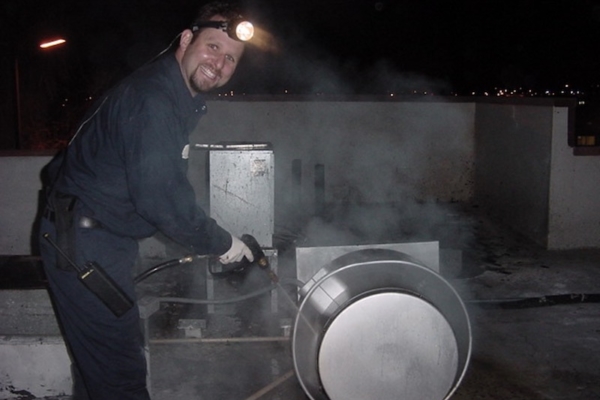
The techniques used for exhaust cleaning include high-pressure steam cleaning, chemical degreasing, and mechanical scraping. These methods effectively remove grease and debris, ensuring optimal performance and compliance with safety regulations.
How long does the cleaning process take?
The duration of the cleaning process varies depending on the size and condition of the kitchen exhaust system. Typically, it takes between 2 to 6 hours to complete the cleaning thoroughly.
What are the signs of a dirty exhaust system?
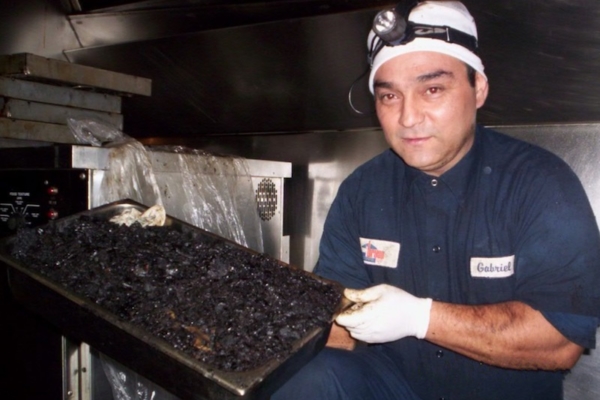
The signs of a dirty exhaust system include excessive grease buildup, unusual odors, reduced airflow, and visible smoke when cooking. These indicators can compromise safety and efficiency, highlighting the need for professional cleaning.
Can I clean the exhaust system myself?
Cleaning the exhaust system yourself can be challenging and may not ensure thorough results. It is recommended to hire professionals like Bryan Exhaust Service to guarantee safety, compliance, and effective cleaning of your kitchen exhaust systems.
What equipment is needed for exhaust cleaning?
The equipment needed for exhaust cleaning includes high-pressure steam cleaners, degreasers, brushes, and specialized vacuums designed for removing grease and debris from kitchen exhaust systems. Proper tools ensure thorough cleaning and compliance with safety standards.
How does cleaning affect kitchen fire safety?
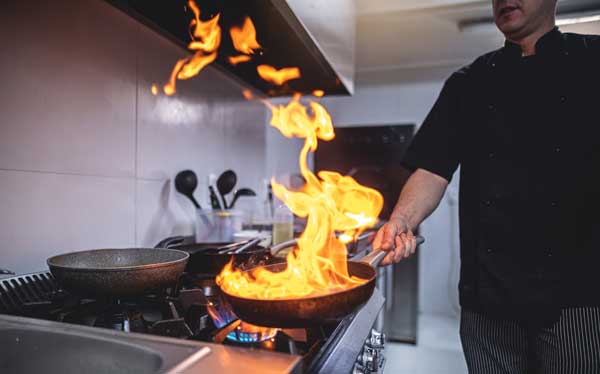
Cleaning is essential for kitchen fire safety as it removes grease buildup, a major fire hazard. Regular cleaning of exhaust systems ensures proper ventilation and reduces the risk of fires, helping to maintain a safe cooking environment.
What are the costs associated with exhaust cleaning?
The costs associated with exhaust cleaning vary based on factors such as the size of the kitchen, the level of grease buildup, and the frequency of service. Typically, professional cleaning services offer competitive pricing to ensure safety and compliance.
How frequently should restaurants clean their exhaust systems?
Restaurants should clean their exhaust systems regularly to ensure safety and compliance. It is recommended to have professional cleaning at least every three to six months, depending on kitchen usage, to prevent grease buildup and fire hazards.
What are the consequences of neglecting exhaust cleaning?
The consequences of neglecting exhaust cleaning include increased fire hazards, reduced air quality, and potential health violations. Accumulated grease and debris can lead to dangerous situations and costly fines, emphasizing the importance of regular maintenance.
How does exhaust cleaning enhance kitchen efficiency?
Exhaust cleaning enhances kitchen efficiency by removing grease buildup, which improves airflow and reduces the risk of fire hazards. This leads to better ventilation, lower energy costs, and a safer cooking environment, ultimately increasing overall kitchen productivity.
What qualifications should a cleaning service have?
The qualifications a cleaning service should have include proper licensing, insurance, and certifications specific to their cleaning specialty, such as kitchen exhaust systems. Additionally, experienced staff and adherence to health and safety regulations are essential for quality service.
Are there eco-friendly cleaning options available?
Eco-friendly cleaning options are available at Bryan Exhaust Service. We prioritize sustainability by using environmentally friendly products and techniques that effectively clean kitchen exhaust systems while minimizing environmental impact.
How do I choose a reliable cleaning service?
Choosing a reliable cleaning service involves researching their reputation, verifying credentials, and reading customer reviews. Look for companies with experience in your specific cleaning needs and ensure they use safe, effective cleaning methods.
What should I expect during a cleaning appointment?
During a cleaning appointment, you can expect our team to arrive on time, conduct a thorough inspection of your kitchen exhaust system, and use advanced techniques to ensure a deep clean, all while adhering to safety and compliance standards.
How can I maintain my exhaust system between cleanings?
Maintaining your exhaust system between cleanings involves regularly inspecting and wiping down surfaces to remove grease buildup, ensuring filters are clean, and monitoring for any signs of malfunction. Regular checks can help prolong the effectiveness of your system.
What are the benefits of professional cleaning services?
The benefits of professional cleaning services include enhanced safety, compliance with health regulations, improved air quality, and the prevention of fire hazards. These services ensure that kitchen exhaust systems operate efficiently, prolonging equipment lifespan and promoting a healthier environment.
How does grease buildup affect exhaust performance?
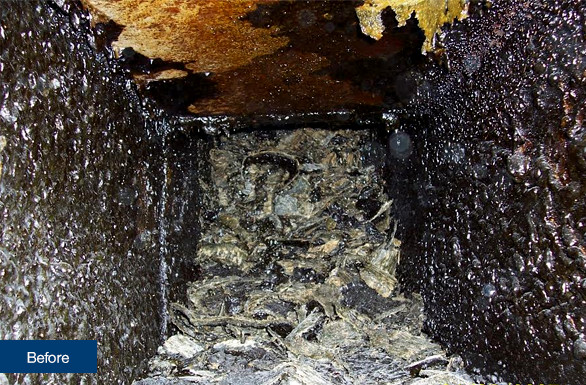
Grease buildup significantly impairs exhaust performance by obstructing airflow, leading to inefficient ventilation and increased fire hazards. This accumulation can also result in higher energy costs and potential non-compliance with health regulations.
What types of kitchens require regular exhaust cleaning?
Kitchens that require regular exhaust cleaning include commercial kitchens, restaurants, cafeterias, and any food service establishments where cooking generates grease and smoke. Regular cleaning is essential for safety, compliance, and to prevent fire hazards.
How can I verify a cleaning services credentials?
Verifying a cleaning service's credentials involves checking for proper licensing, insurance coverage, and certifications. You can also read customer reviews and ask for references to ensure their reliability and professionalism.
What is the process for commercial exhaust cleaning?
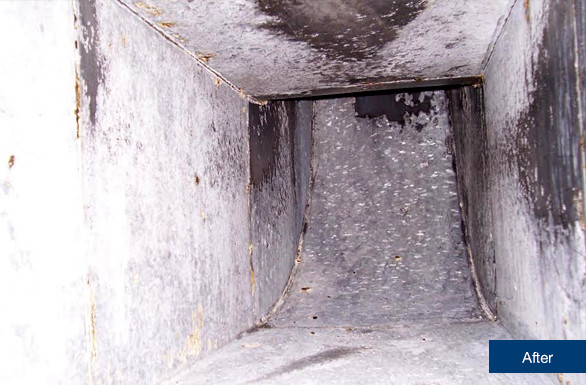
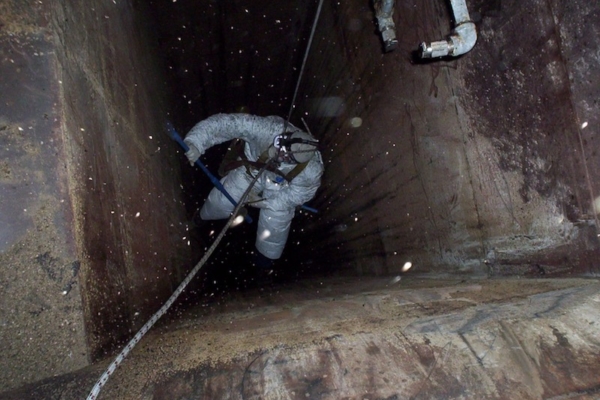
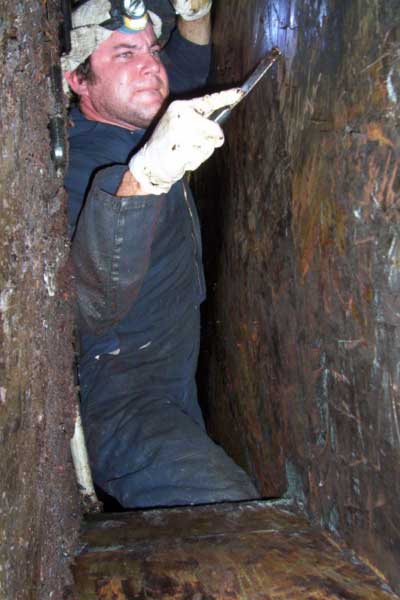
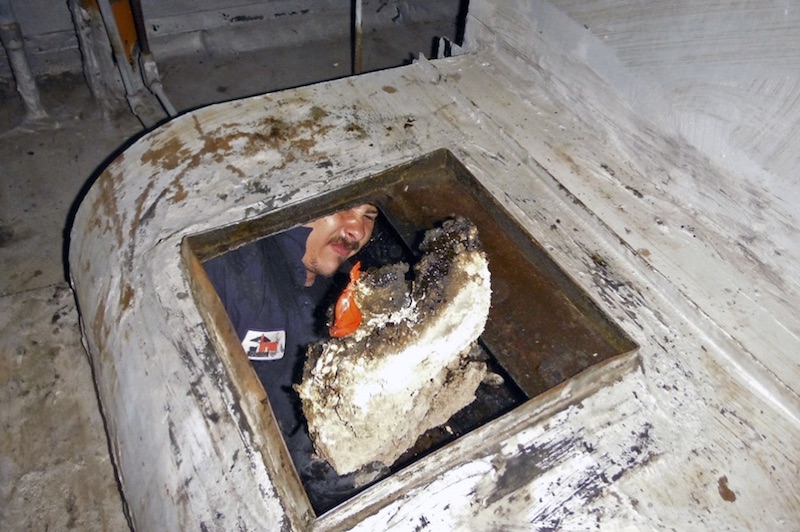
The process for commercial exhaust cleaning involves several key steps. First, our team conducts a thorough inspection of the exhaust system, followed by the removal of grease and debris using advanced cleaning techniques. Finally, we ensure everything is reassembled and functioning correctly for optimal safety and compliance.
How does exhaust cleaning impact restaurant compliance?
Exhaust cleaning is crucial for maintaining restaurant compliance with health and safety regulations. Regular cleaning prevents grease buildup, reduces fire hazards, and ensures that exhaust systems operate efficiently, thus meeting local health codes and enhancing overall kitchen safety.
What are the best practices for exhaust maintenance?
The best practices for exhaust maintenance include regular inspections, thorough cleaning of the exhaust system, replacing filters as needed, and ensuring proper ventilation to prevent grease buildup and fire hazards.
How can I prevent grease buildup in my kitchen?
Preventing grease buildup in your kitchen involves regular cleaning of surfaces, using exhaust fans while cooking, and ensuring proper ventilation. Additionally, scheduling professional kitchen exhaust hood cleaning can significantly reduce grease accumulation and enhance safety.
What customer reviews say about cleaning services?
Customer reviews highlight the reliability and thoroughness of cleaning services, often praising their professionalism and attention to detail. Many customers feel reassured by the compliance with health regulations, reinforcing the importance of maintaining a safe kitchen environment.