

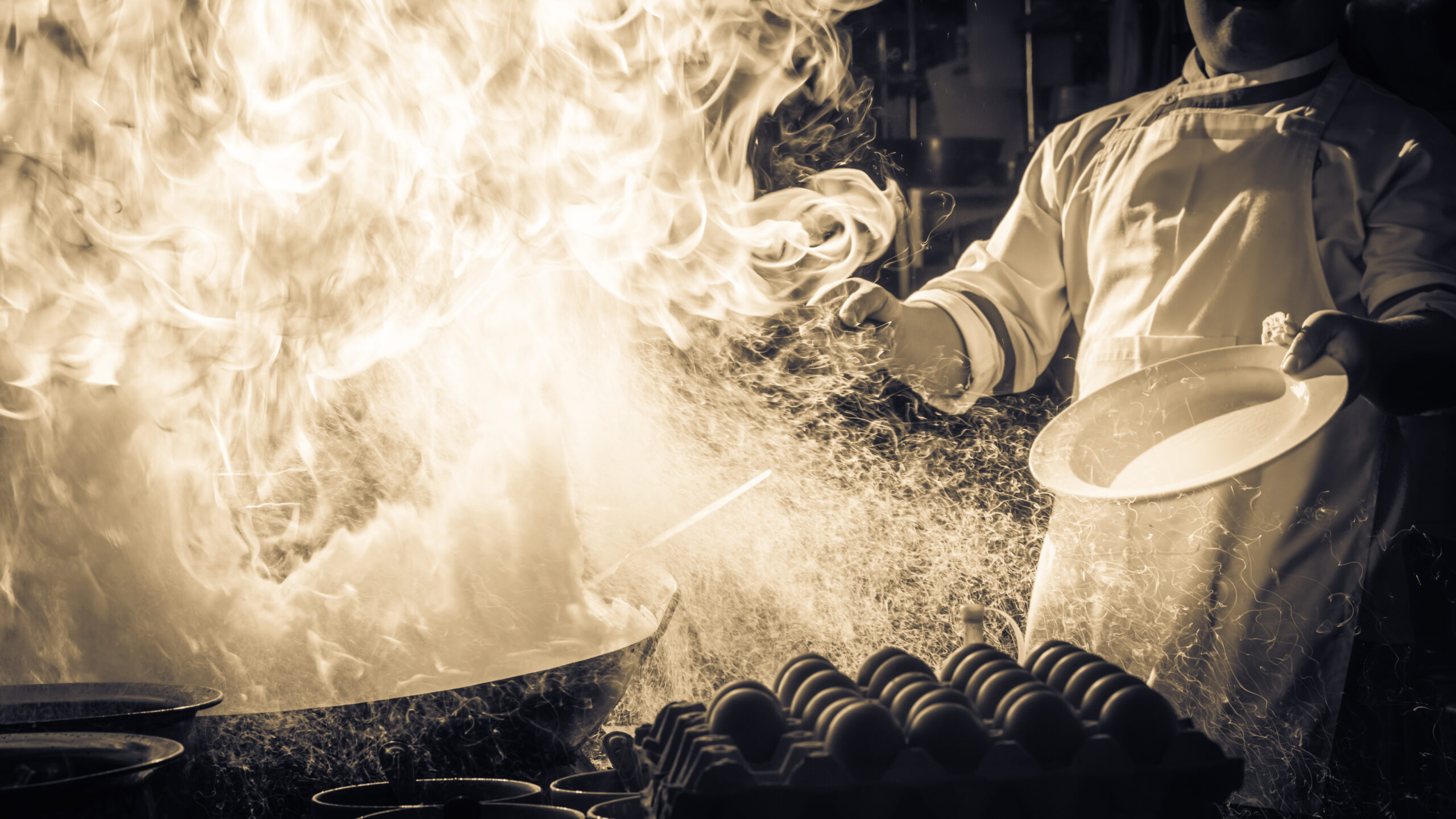
Proper ventilation is one of the most important systems in any commercial kitchen, yet it is also one of the most misunderstood. A kitchen can look clean, operate smoothly, and still suffer from poor ventilation. When ventilation is inadequate, heat builds up, grease lingers in the air, and working conditions become unsafe and uncomfortable.
For chefs, cooks, and restaurant owners, good ventilation is not a luxury—it is a necessity. It protects staff, equipment, and the building itself. It also plays a major role in fire prevention, air quality, and overall kitchen efficiency.
This article explains, in simple and easy language, how proper commercial kitchen ventilation works and what restaurant owners should focus on. It covers fresh air replacement, exhaust loads, hood capture, exhaust fans, and the importance of regular maintenance and cleaning. There is no technical jargon and no over-complication—just clear explanations based on real kitchen environments.
Why Proper Ventilation Matters in a Commercial Kitchen
Commercial kitchens generate heat, smoke, grease, steam, and odors throughout the day. Without proper ventilation, these byproducts remain in the kitchen.
Poor ventilation leads to hot and uncomfortable working conditions. It allows grease to settle on surfaces, increasing fire risk. It can also affect indoor air quality, which impacts both employees and customers.
A well-designed and well-maintained ventilation system removes contaminated air and replaces it with fresh air, keeping the kitchen safer and more comfortable.
How Commercial Kitchen Ventilation Works
Kitchen ventilation systems work by pulling hot, greasy air upward into an exhaust hood. That air travels through ductwork and is expelled outside the building by an exhaust fan.
At the same time, fresh air must enter the kitchen to replace the air being removed. This balance is critical. If air is removed faster than it is replaced, the system loses efficiency.
Proper ventilation is about balance, not just airflow.
Fresh Air Replacement: Keeping the Air Balanced
Every cubic foot of air removed from the kitchen must be replaced with fresh air. This replacement air can come from other areas of the building or from dedicated systems such as swamp coolers or makeup air units.
If replacement air does not keep pace with exhaust air, several problems occur. The exhaust hood struggles to capture smoke and grease. Airflow becomes weak. Heat and smoke linger in the kitchen.
A lack of fresh air also creates negative pressure, which can make doors hard to open and pull unwanted air from restrooms or storage areas into the kitchen.
Maintaining proper fresh air replacement keeps the exhaust system working as intended.
Exhaust Loads: Understanding Your Cooking Equipment
Different cooking appliances generate different amounts of heat and grease. This is known as the exhaust load.
Light-duty equipment, such as ovens or steamers, produces less grease and smoke. Heavy-duty equipment, such as charbroilers, griddles, and fryers, produces much more.
High-volume cooking increases exhaust loads even further. A ventilation system must be designed to handle the maximum load produced during peak operation.
If the system is undersized, grease and smoke will escape the hood, creating fire hazards and poor air quality.
Why Matching Ventilation to Equipment Is Critical
Ventilation systems are not one-size-fits-all. A system designed for light-duty cooking cannot safely handle heavy-duty equipment.
When ventilation does not match the exhaust load, grease accumulates faster, hoods overflow with smoke, and ducts become contaminated.
Understanding what your kitchen produces helps ensure the ventilation system is adequate and safe.
Hood Capture: The Key to Efficiency
The exhaust hood is the first line of defense against grease and smoke. Its job is to capture the thermal plume that rises from cooking appliances.
For proper capture, the hood must be the correct size, type, and height. If it is too small or improperly positioned, smoke and grease escape into the kitchen.
Hood efficiency is also affected by air movement. Cross drafts from doors, fans, or air conditioning can push grease-laden air out of the hood’s capture zone.
Improving Hood Capture Performance
Proper hood selection is critical, but additional measures help improve performance.
Side panels or end panels reduce cross drafts. Correct mounting height ensures rising air is captured before it spreads.
When hood capture is effective, greasy air is directed into the exhaust system where it can be safely contained and cleaned.
Table: Key Elements of Proper Kitchen Ventilation
| Ventilation Component | Purpose | Why It Matters |
| Exhaust hood | Captures grease and smoke | Prevents fire risk |
| Ductwork | Moves air out of kitchen | Contains grease |
| Exhaust fan | Pulls air through system | Maintains airflow |
| Fresh air supply | Replaces exhausted air | Keeps system balanced |
This table shows how each part plays a role in effective ventilation.
The Role of the Kitchen Exhaust Fan
The exhaust fan powers the entire ventilation system. It pulls air through the hood and ductwork and expels it outside.
If the fan is not working properly, airflow drops. Smoke builds up. Grease lingers in the system.
Even a small issue, such as a loose belt or dirty blades, can reduce efficiency significantly.
Why Regular Exhaust Fan Maintenance Is Important
Exhaust fans operate for long hours in hot, greasy environments. Over time, belts wear out, grease accumulates, and motors strain.
Regular maintenance includes checking belts, cleaning blades, and listening for unusual noise or vibration.
Preventive maintenance helps catch small problems before they become major failures that shut down the kitchen.
Why Poor Ventilation Affects More Than Comfort
When ventilation is inadequate, the impact goes beyond heat and smoke.
Grease settles on walls, ceilings, and equipment, increasing fire risk. Air quality suffers, affecting employee health. Equipment runs hotter and wears out faster.
In some cases, poor ventilation can lead to failed inspections or forced shutdowns.
The Importance of Regular Exhaust Hood and Duct Cleaning
Even the best ventilation system cannot function properly if it is dirty.
Grease vapor collects inside hoods, ducts, and fans. Without regular cleaning, this grease hardens and becomes fuel.
Exhaust cleaning removes this buildup and restores system efficiency.
Why Cleaning Frequency Matters
Cleaning frequency depends on cooking volume and type. High-volume kitchens that cook greasy foods need more frequent cleaning.
Skipping cleanings allows grease to accumulate faster than expected. By the time problems are visible, contamination is often severe.
Regular cleaning keeps grease under control and reduces fire risk.
Why Professional Cleaning Is Essential
Exhaust cleaning is not a surface-level task. It requires access to hidden ductwork and fan housings.
Professional cleaners have the equipment and experience to remove grease safely and thoroughly.
Incomplete cleaning leaves dangerous grease behind, even if the hood looks clean.
How Bryan Exhaust Supports Proper Ventilation
Bryan Exhaust helps restaurant owners maintain safe and efficient kitchen ventilation systems through regular cleaning, inspection, and maintenance.
By removing grease buildup and ensuring exhaust components function properly, we help kitchens stay cooler, safer, and code-compliant.
Final Thoughts
Proper ventilation is essential for any commercial kitchen. It protects staff, reduces fire risk, and keeps the kitchen environment comfortable.
Understanding fresh air replacement, exhaust loads, hood capture, fan maintenance, and regular cleaning allows restaurant owners to make informed decisions.
When ventilation systems are properly designed, maintained, and cleaned, they work quietly in the background—keeping kitchens safe and efficient every day.
