Frequently Asked Questions
What is needed to be a professional restaurant hood cleaning business in NJ?
To be a professional restaurant hood cleaning business in NJ, you need proper licensing, insurance, specialized equipment, trained staff, and adherence to local health and safety regulations to ensure efficient and compliant service.
How much does it cost to start a hood cleaning business?
The cost to start a hood cleaning business varies, typically ranging from $10,000 to $50,000. This includes equipment, licensing, insurance, and marketing expenses.
How often should restaurant hood cleaning be done?
Restaurant hood cleaning should be done every three to six months, depending on usage. High-volume kitchens may require more frequent cleaning to ensure safety and efficiency in exhaust systems.
What is restaurant hood cleaning?
Restaurant hood cleaning is the process of thoroughly cleaning the exhaust hoods, ducts, and fans in commercial kitchens to remove grease and other flammable residues, ensuring safety and compliance with health regulations.
How to start a restaurant hood cleaning business?
Starting a restaurant hood cleaning business involves researching local regulations, acquiring the necessary equipment and certifications, building a client base through networking, and offering exceptional service to ensure repeat customers and referrals.
How much does restaurant hood cleaning cost?
The cost of restaurant hood cleaning varies based on factors like the size of the system and the level of grease buildup. Typically, prices range from $200 to $600, but it's best to request a quote for an accurate estimate tailored to your needs.
What certifications are required for hood cleaning?
The certifications required for hood cleaning include compliance with the National Fire Protection Association (NFPA) standards, particularly NFPA 96, and often a certification from the International Kitchen Exhaust Cleaning Association (IKECA), ensuring safe and effective service.
How to market a hood cleaning business?
Marketing a hood cleaning business involves leveraging online platforms, networking with local restaurants, and utilizing social media to showcase services and customer testimonials. Additionally, offering promotions and maintaining a strong online presence can attract potential clients.
What equipment is essential for hood cleaning?
The essential equipment for hood cleaning includes high-pressure steam cleaners, degreasers, scrubbing brushes, and protective gear. These tools ensure thorough cleaning of the hood, ducts, and exhaust systems to maintain safety and efficiency in commercial kitchens.
What are common challenges in hood cleaning?
Common challenges in hood cleaning include accessing hard-to-reach areas, removing built-up grease effectively, ensuring compliance with safety regulations, and minimizing disruption to kitchen operations during the cleaning process.
How to ensure safety during hood cleaning?
Ensuring safety during hood cleaning involves using proper personal protective equipment (PPE), disconnecting power sources, and following established safety protocols. Additionally, it’s crucial to ensure proper ventilation and to have a fire extinguisher readily available.
What are the benefits of professional hood cleaning?
The benefits of professional hood cleaning include improved fire safety, enhanced kitchen efficiency, and compliance with health regulations. Regular cleaning helps prevent grease buildup, reducing fire hazards and ensuring a safer environment for your staff and customers.
How to train staff for hood cleaning?
Training staff for hood cleaning involves providing comprehensive instruction on safety protocols, proper cleaning techniques, and the use of specialized equipment. Regular hands-on practice and assessments ensure staff are proficient and maintain high standards of cleanliness.
What regulations apply to hood cleaning services?
The regulations that apply to hood cleaning services include adherence to the National Fire Protection Association (NFPA) standards, particularly NFPA 96, which outlines the requirements for the cleaning and maintenance of commercial kitchen exhaust systems to ensure safety and fire prevention.
How to maintain equipment for hood cleaning?
Maintaining equipment for hood cleaning involves regular inspections, ensuring all parts are functioning properly, and performing routine cleaning to prevent grease buildup. Additionally, replace worn-out components promptly to maintain efficiency and safety.
What are the best practices for hood cleaning?
The best practices for hood cleaning include scheduling regular cleanings, using professional services, ensuring proper ventilation, and adhering to local fire codes. These steps help maintain safety and efficiency in commercial kitchens.
How to handle customer complaints in hood cleaning?
Handling customer complaints in hood cleaning involves listening actively to the customer's concerns, addressing issues promptly, and offering solutions or compensation when necessary to ensure satisfaction and maintain trust in your service.
What is the average duration for hood cleaning?
The average duration for hood cleaning typically ranges from 1 to 3 hours, depending on the size and condition of the exhaust system. This ensures thorough cleaning for optimal safety and efficiency in your kitchen.
How to create a hood cleaning checklist?
Creating a hood cleaning checklist involves outlining essential tasks such as inspecting the hood, cleaning filters, degreasing surfaces, and ensuring proper ventilation. Include frequency of cleaning and assign responsibilities to maintain compliance and safety in your kitchen.
What are the signs of a dirty hood?
The signs of a dirty hood include excessive grease buildup, unpleasant odors, reduced airflow, and visible discoloration. Regular inspection is crucial to maintain a safe and efficient kitchen environment.
How to price hood cleaning services competitively?
Pricing hood cleaning services competitively involves analyzing local market rates, considering the complexity of the job, and factoring in the quality of service provided. Regularly reviewing competitors' pricing can help ensure your rates remain attractive while maintaining profitability.
What are the environmental impacts of hood cleaning?
The environmental impacts of hood cleaning include reducing fire hazards by removing grease buildup, preventing air pollution from cooking emissions, and promoting energy efficiency in kitchen exhaust systems, ultimately contributing to a cleaner and safer environment.
How to build a client base for hood cleaning?
Building a client base for hood cleaning involves networking with restaurant owners, leveraging online marketing, and offering exceptional service to encourage referrals. Establishing partnerships with local businesses can also enhance visibility and credibility in the community.
What insurance is needed for hood cleaning businesses?
Hood cleaning businesses need liability insurance to cover potential damages, workers' compensation for employee safety, and equipment insurance to protect their tools. These policies ensure compliance with regulations and safeguard against financial risks.
How to schedule regular hood cleaning services?
Scheduling regular hood cleaning services is simple. Just contact Bryan Exhaust Service via our website or phone, and our team will assist you in setting up a convenient maintenance schedule tailored to your needs.
What are the latest trends in hood cleaning?
The latest trends in hood cleaning include the use of advanced technologies such as automated cleaning systems, eco-friendly cleaning solutions, and regular maintenance schedules to enhance safety and efficiency in commercial kitchens.
How to evaluate hood cleaning service quality?
Evaluating hood cleaning service quality involves assessing the company's experience, certifications, and customer reviews, as well as ensuring they follow industry standards and use proper cleaning techniques to maintain safety and efficiency in your kitchen.
What are the costs of hood cleaning supplies?
The costs of hood cleaning supplies vary depending on the quality and quantity needed, typically ranging from $100 to $500 for a complete set. Factors such as brand and specific requirements may influence the overall expense.
How to improve efficiency in hood cleaning?
Improving efficiency in hood cleaning involves implementing a regular maintenance schedule, using high-quality cleaning products, and ensuring staff is trained in best practices to minimize downtime and enhance safety.
What customer feedback is important for hood cleaning?
Customer feedback important for hood cleaning includes assessments of service quality, responsiveness, thoroughness of the cleaning, and overall satisfaction with the results. This feedback helps ensure that safety and efficiency standards are consistently met.
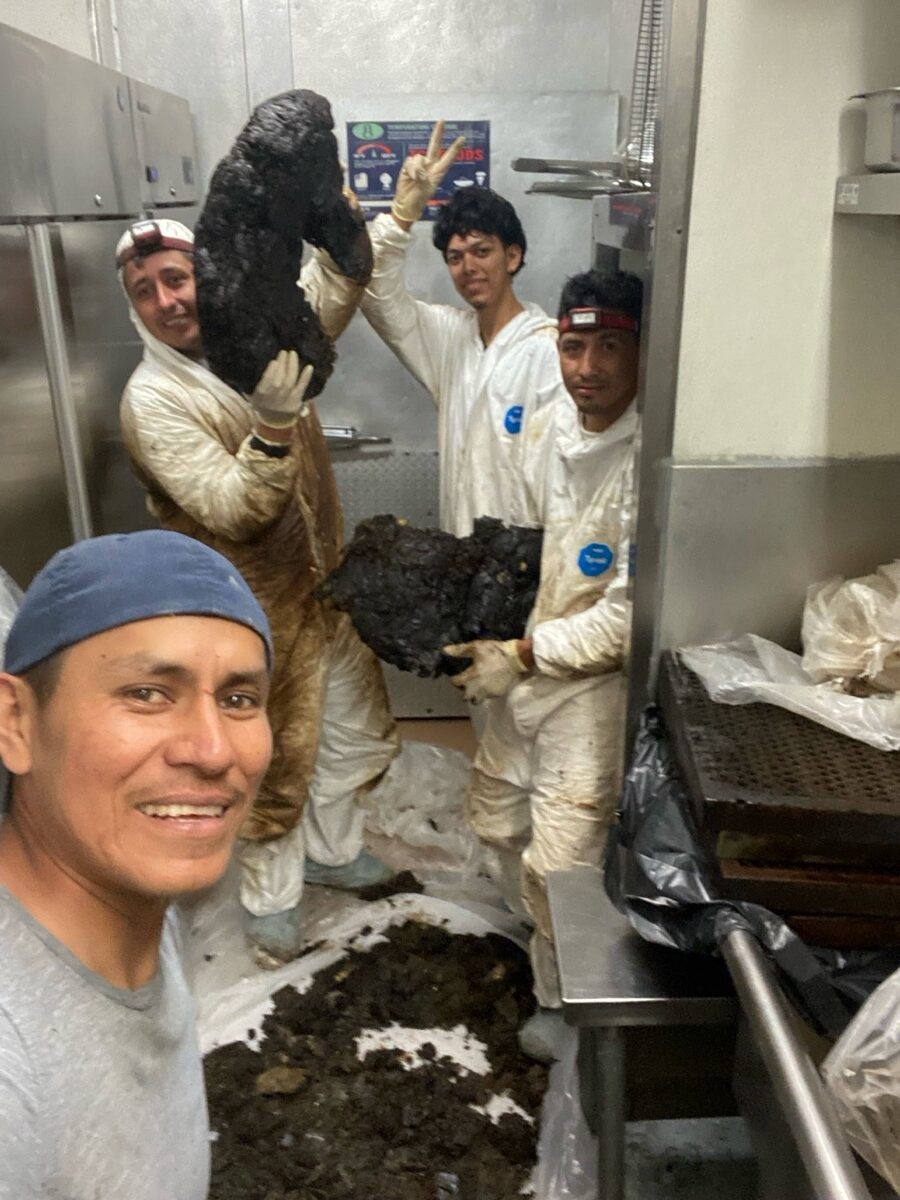
 The Clean-Up Challenge

