Frequently Asked Questions
Kitchen hood cleaning how often?
Kitchen hood cleaning frequency is essential for safety and compliance. It's recommended to clean commercial kitchen hoods every 1 to 3 months, depending on usage, to prevent grease buildup and ensure optimal performance.
How much does kitchen hood cleaning cost?
The cost of kitchen hood cleaning varies based on factors such as the size of the kitchen, the level of grease buildup, and the specific services required. For an accurate estimate, it's best to contact Bryan Exhaust Service directly.
What is kitchen hood cleaning?
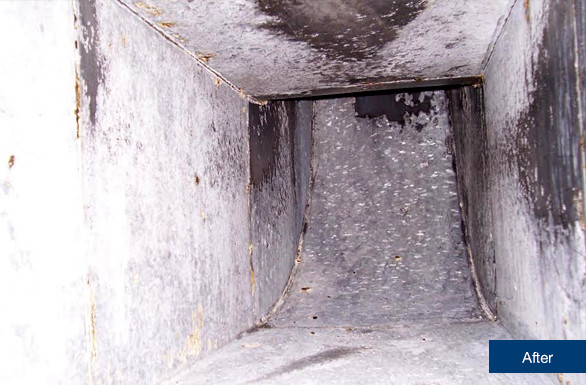
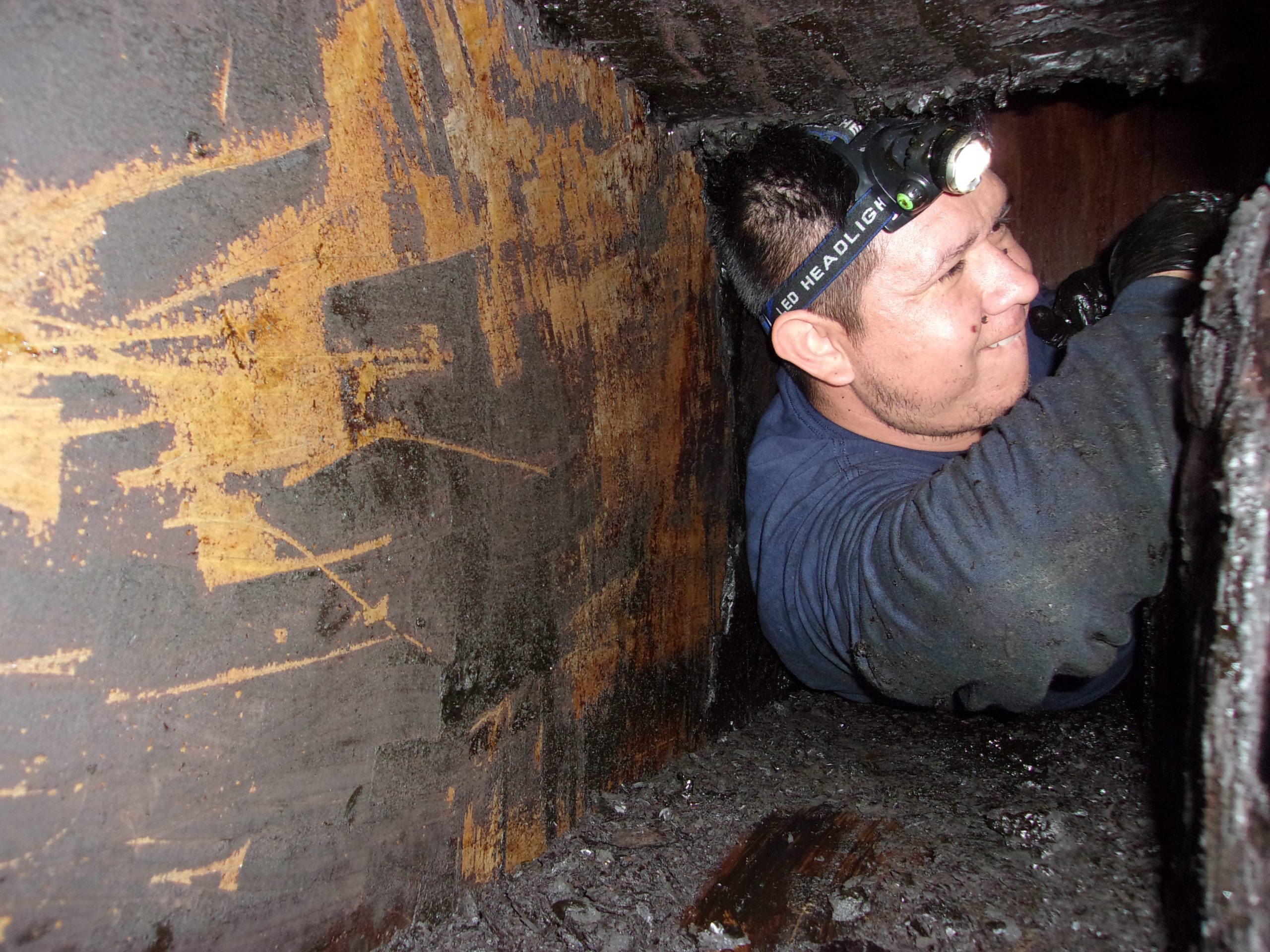
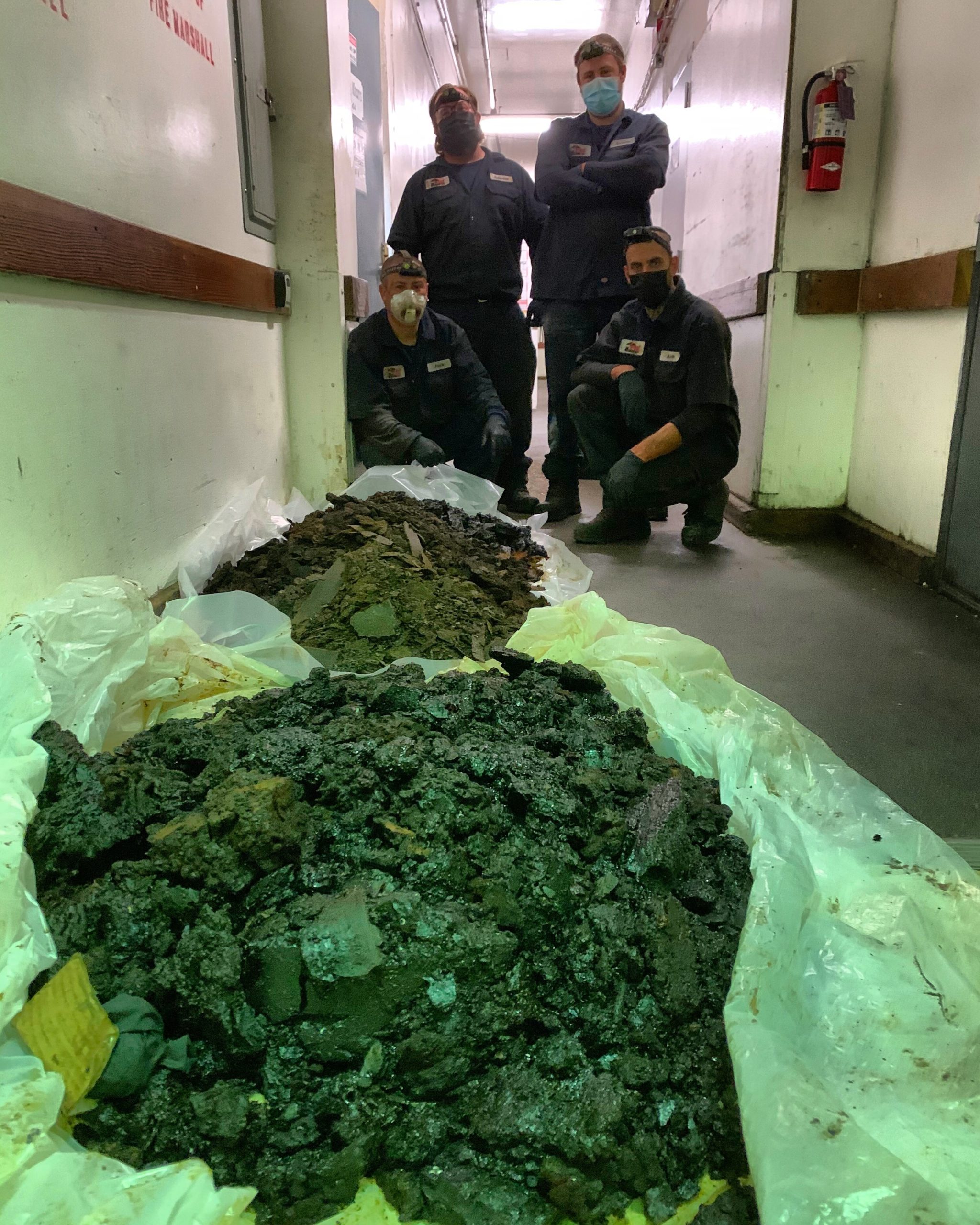
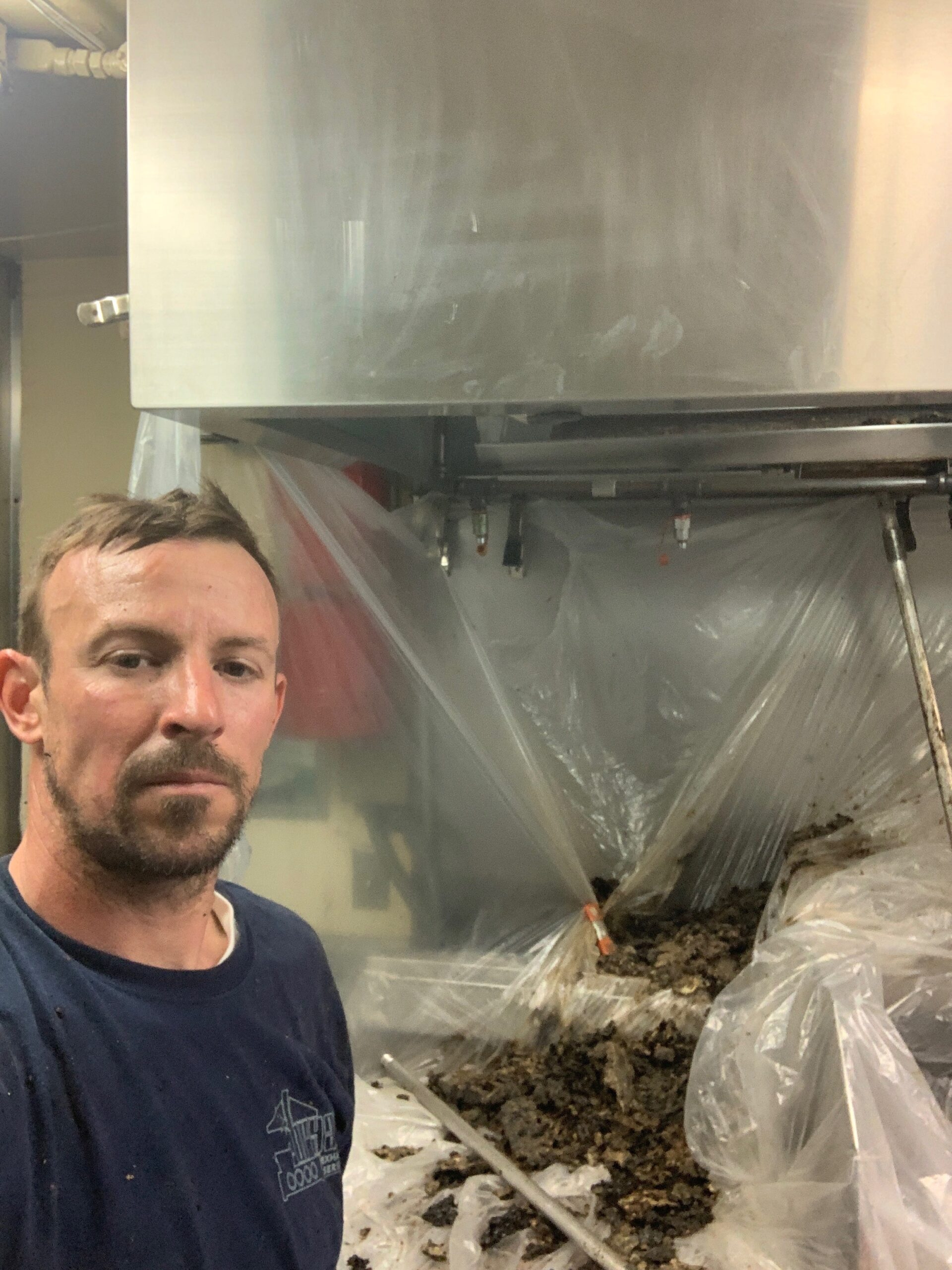
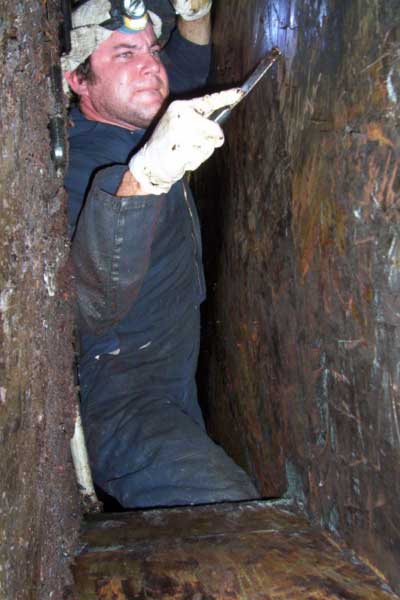
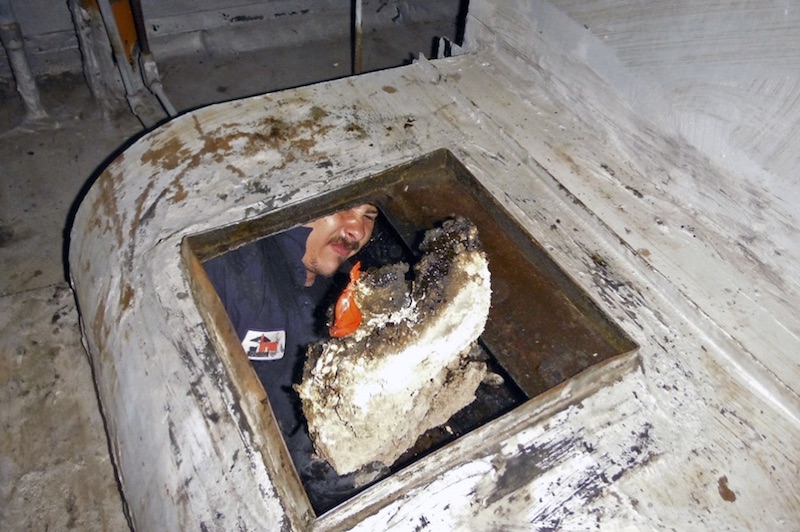
Kitchen hood cleaning is the process of removing grease, dirt, and other contaminants from kitchen exhaust hoods and ductwork to ensure safety, compliance with health regulations, and optimal performance of commercial kitchen ventilation systems.
How much is kitchen hood cleaning?
The cost of kitchen hood cleaning varies based on factors such as the size of the kitchen, the level of grease buildup, and the specific services required. For an accurate estimate, it's best to contact Bryan Exhaust Service directly.
What factors affect kitchen hood cleaning frequency?
The factors affecting kitchen hood cleaning frequency include the volume of cooking, types of food prepared, and local fire codes. Higher cooking activity and greasy foods necessitate more frequent cleanings to ensure safety and compliance.
How can I schedule kitchen hood cleaning?
Scheduling kitchen hood cleaning is easy. Simply contact Bryan Exhaust Service via our website or phone to request an estimate and set up a convenient time for our team to perform the cleaning at your location in Los Angeles.
What are the signs of a dirty hood?
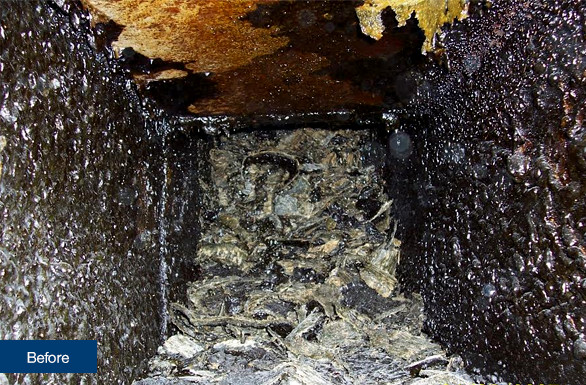
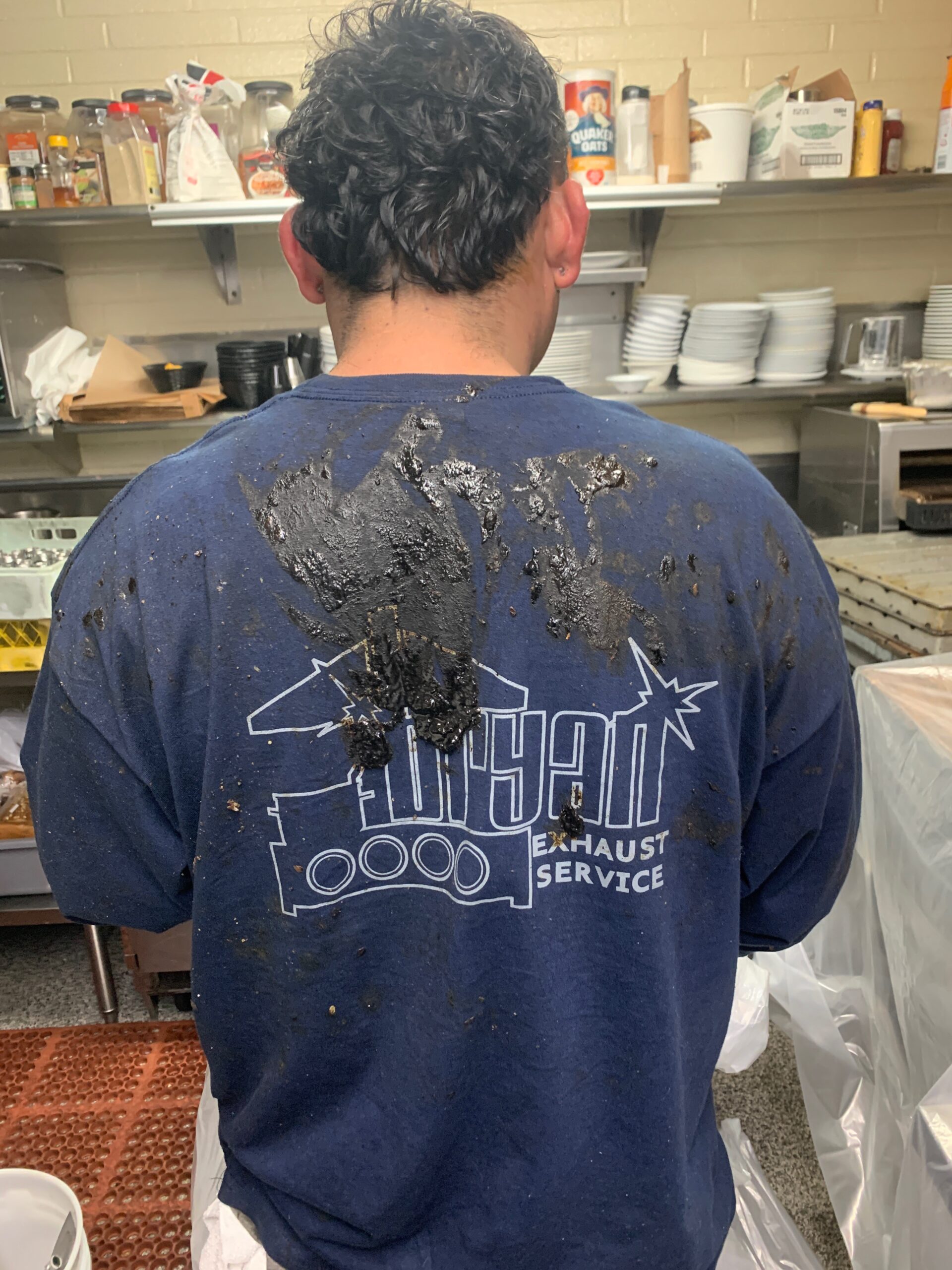
The signs of a dirty hood include visible grease buildup, unpleasant odors, reduced airflow, and increased fire risk. If you notice any of these indicators, it’s essential to schedule a professional cleaning to ensure safety and compliance.
Is kitchen hood cleaning necessary for safety?
Kitchen hood cleaning is essential for safety. Regular cleaning prevents grease buildup, reducing the risk of fire hazards and ensuring compliance with health regulations, ultimately protecting both staff and customers in commercial kitchens.
What equipment is used for hood cleaning?
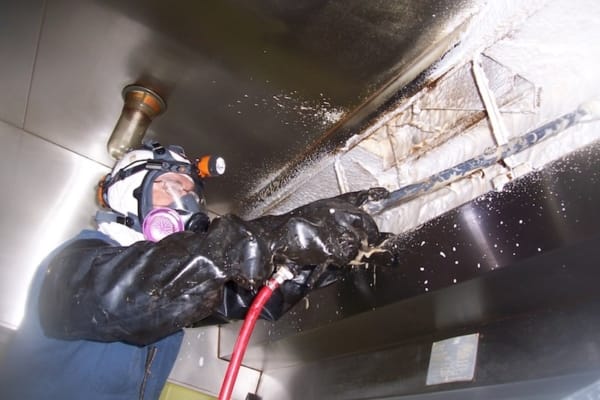
The equipment used for hood cleaning includes high-pressure steam cleaners, specialized brushes, and vacuums designed to remove grease and debris effectively. Additionally, technicians may use chemical degreasers to ensure thorough cleaning and compliance with safety standards.
How long does kitchen hood cleaning take?
The duration of kitchen hood cleaning varies depending on the size and condition of the system, but it typically takes between 1 to 4 hours to complete the process efficiently.
Can I clean my kitchen hood myself?
Cleaning your kitchen hood yourself is possible, but it may not be as effective or thorough as hiring a professional service. For safety and compliance with industry standards, it's recommended to seek expert assistance.
What are the benefits of professional cleaning?
The benefits of professional cleaning include enhanced safety, improved efficiency, and compliance with health regulations. Regular professional cleaning reduces fire hazards, extends equipment lifespan, and ensures a hygienic kitchen environment, ultimately supporting the overall success of your business.
How often should I inspect my kitchen hood?
The frequency of inspecting your kitchen hood is essential for safety and compliance. It is recommended to have your kitchen hood inspected at least every six months, or more frequently if your kitchen operates at high volumes.
What regulations apply to kitchen hood cleaning?
The regulations that apply to kitchen hood cleaning include the National Fire Protection Association (NFPA) Standard 96, which mandates regular cleaning to prevent grease buildup and ensure fire safety, along with local health and safety codes specific to the Los Angeles area.
What should I expect during a cleaning service?
During a cleaning service, you can expect a thorough inspection of your kitchen exhaust system, followed by the removal of grease and debris to enhance safety and compliance. Our trained technicians will ensure your exhaust hoods are cleaned effectively and efficiently.
Are there different types of kitchen hoods?
There are different types of kitchen hoods, including wall-mounted, island, under-cabinet, and downdraft hoods, each designed to suit various kitchen layouts and cooking styles while effectively ventilating smoke and odors.
How do I choose a cleaning service?
Choosing a cleaning service involves evaluating their experience, reputation, and compliance with industry standards. Look for reviews, ask for references, and ensure they specialize in kitchen exhaust cleaning to guarantee safety and efficiency.
What is included in a kitchen hood cleaning?
A kitchen hood cleaning includes the thorough removal of grease, grime, and debris from the hood, filters, ducts, and exhaust fans to ensure optimal airflow and compliance with safety standards.
How can I maintain my kitchen hood?
Maintaining your kitchen hood involves regular cleaning and inspection. Ensure filters are cleaned frequently, check for grease buildup, and schedule professional cleaning services to comply with safety standards and enhance efficiency.
What are the risks of neglecting hood cleaning?
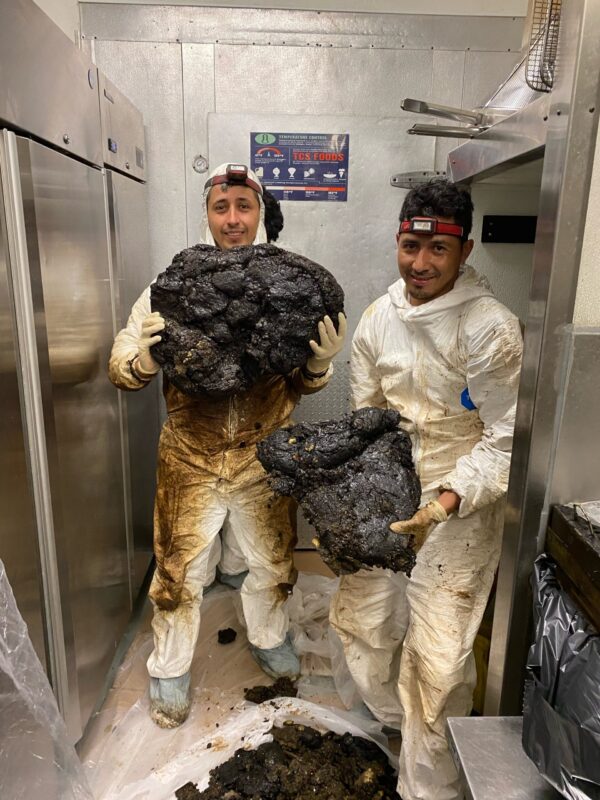
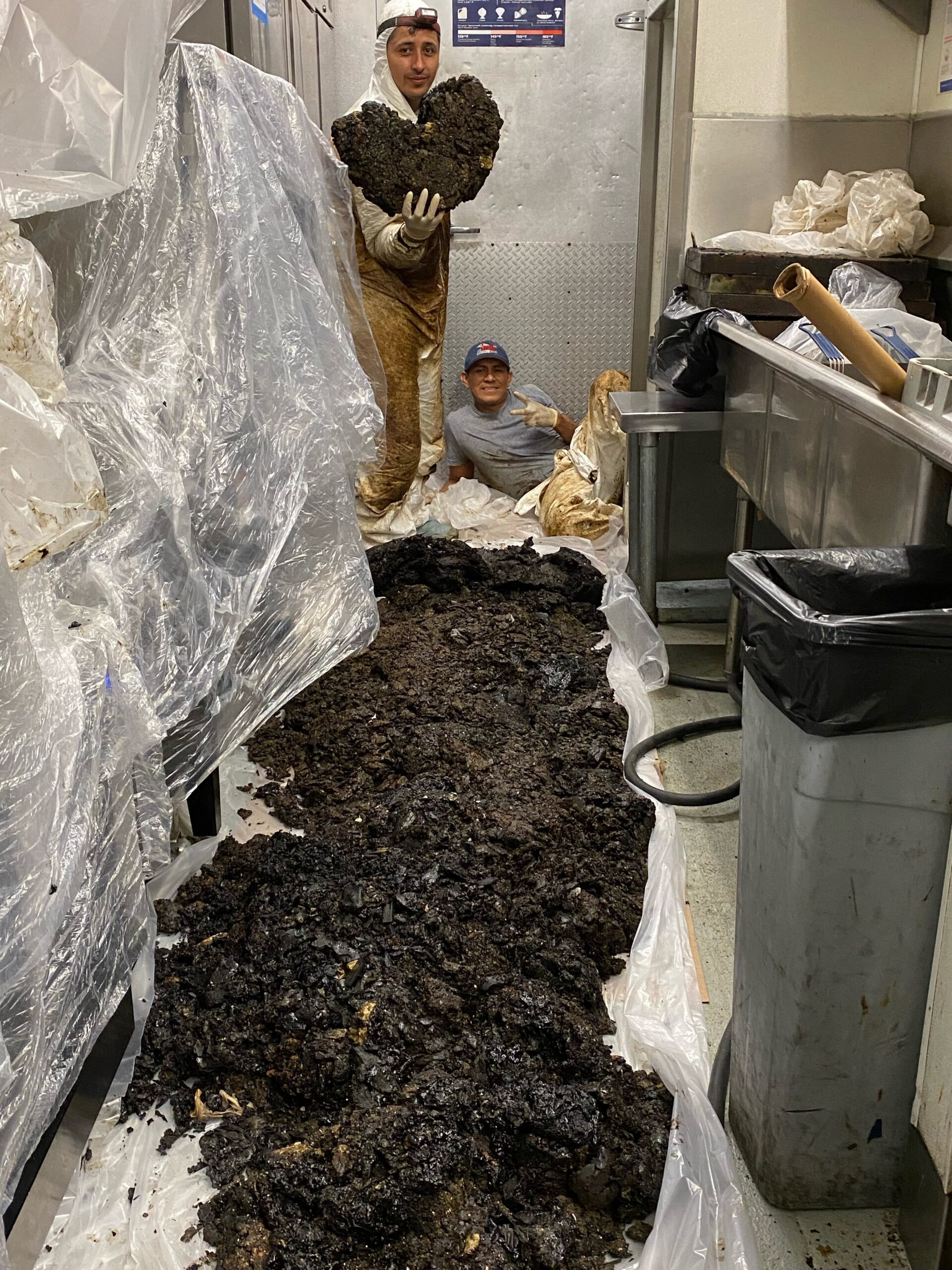
Neglecting hood cleaning poses significant risks, including increased fire hazards from grease buildup, compromised air quality, and potential violations of health and safety regulations. Regular maintenance is essential to ensure a safe and efficient kitchen environment.
How do I prepare for a cleaning appointment?
Preparing for a cleaning appointment involves ensuring the kitchen area is accessible and removing any obstacles around the exhaust system. Additionally, securing any loose items and providing clear access to the hood will facilitate a thorough and efficient cleaning process.
What are common kitchen hood cleaning mistakes?
Common kitchen hood cleaning mistakes include neglecting to clean deep inside the hood, using improper cleaning agents, skipping regular maintenance schedules, and overlooking the importance of professional services for thorough and compliant cleaning.
How can I find local cleaning services?
Finding local cleaning services can be achieved by searching online directories, asking for recommendations from friends or colleagues, or checking local listings and reviews on platforms like Google or Yelp.
What certifications should a cleaning service have?
The certifications a cleaning service should have include those for safety and compliance, such as the National Fire Protection Association (NFPA) certification, and any local health department certifications. These ensure adherence to industry standards and best practices.
What is the average lifespan of a kitchen hood?
The average lifespan of a kitchen hood is typically between 10 to 15 years, depending on usage, maintenance, and the quality of the installation. Regular cleaning and care can help extend its functional life.
How does hood cleaning improve kitchen efficiency?
Hood cleaning improves kitchen efficiency by ensuring optimal airflow and reducing fire hazards. A clean exhaust system allows kitchen equipment to operate more effectively, enhancing overall performance and safety in a busy commercial kitchen environment.
What are the costs of neglecting hood maintenance?
The costs of neglecting hood maintenance can be significant. Failure to maintain kitchen exhaust systems can lead to fire hazards, increased energy costs, and potential fines for non-compliance with health and safety regulations.
How can I ensure compliance with cleaning standards?
Ensuring compliance with cleaning standards involves regularly scheduling professional kitchen exhaust cleaning services, maintaining thorough documentation of all cleaning activities, and adhering to local fire safety regulations. Consistent maintenance will help you meet industry requirements effectively.
What are the environmental impacts of hood cleaning?
The environmental impacts of hood cleaning include the reduction of grease buildup, which can lead to fires and air pollution. Regular cleaning helps maintain air quality and ensures compliance with safety regulations, benefiting both the environment and public health.
How does hood cleaning affect air quality?
Hood cleaning significantly improves air quality by removing grease and other contaminants that can accumulate in kitchen exhaust systems. This ensures better ventilation, reducing smoke, odors, and harmful particles, ultimately creating a safer and healthier environment for both staff and customers.