Frequently Asked Questions
How much is kitchen hood cleaning?
The cost of kitchen hood cleaning varies based on the size and condition of the system. Typically, prices range from $200 to $600, depending on the complexity of the job and specific service requirements.
What is kitchen hood cleaning?
Kitchen hood cleaning is the process of removing grease, grime, and other contaminants from kitchen exhaust hoods, ducts, and filters to ensure proper ventilation and compliance with safety regulations.
Kitchen hood cleaning how often?
Kitchen hood cleaning frequency is essential for maintaining safety and compliance. It is recommended to have your kitchen hood cleaned at least every three to six months, depending on usage and local regulations.
How much does kitchen hood cleaning cost?
The cost of kitchen hood cleaning varies based on factors such as the size of the system and the level of grease buildup. Typically, prices range from $200 to $600, depending on the specific needs of your commercial kitchen.
What are the steps in kitchen hood cleaning?
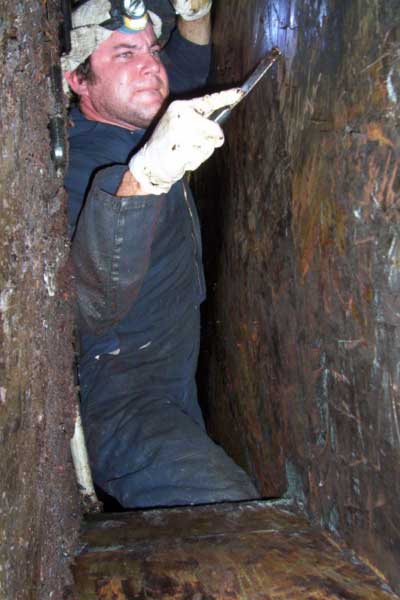
The steps in kitchen hood cleaning include assessing the system, removing grease filters, degreasing surfaces, cleaning ducts and hoods, and reassembling the system. This process ensures optimal performance and compliance with safety standards.
How long does kitchen hood cleaning take?
The duration of kitchen hood cleaning typically ranges from one to three hours, depending on the size and condition of the system. Bryan Exhaust Service ensures efficient service to minimize downtime while maintaining thoroughness for safety and compliance.
What equipment is used for hood cleaning?
The equipment used for hood cleaning includes high-pressure steam cleaners, specialized brushes, degreasers, and vacuums designed to remove grease and debris effectively. This ensures a thorough cleaning for optimal kitchen safety and compliance.
Are there any safety regulations for hood cleaning?
Safety regulations for hood cleaning are critical to ensure compliance with health and fire safety standards. Regular cleaning is mandated by the National Fire Protection Association (NFPA) to prevent fire hazards and maintain a safe kitchen environment.
How often should commercial kitchens clean hoods?
Commercial kitchens should clean hoods regularly to maintain safety and efficiency. It is generally recommended to clean them every three to six months, depending on the volume of cooking and grease buildup.
What are the signs of a dirty kitchen hood?
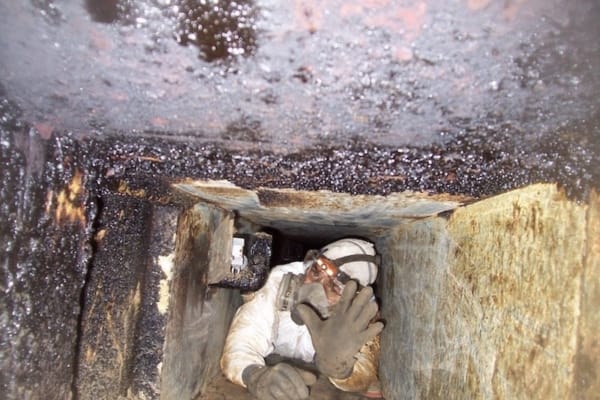
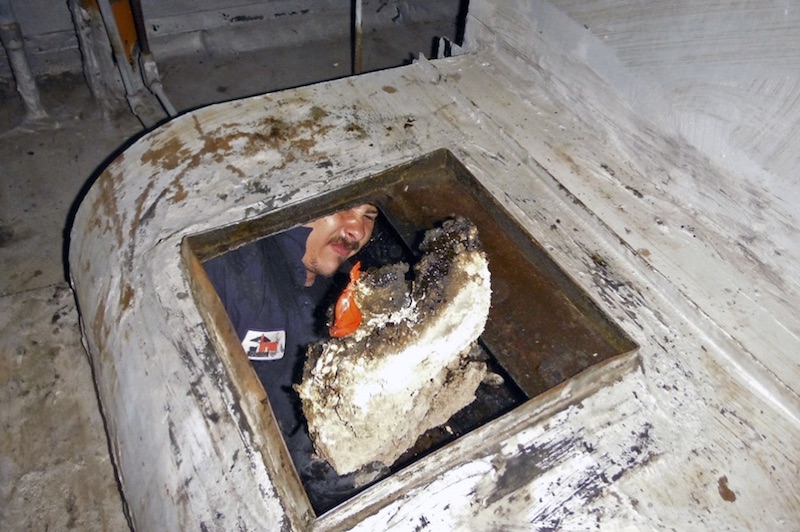
The signs of a dirty kitchen hood include a buildup of grease, an unpleasant odor, reduced airflow, and visible stains or discoloration. Regular cleaning is crucial for maintaining safety and compliance in commercial kitchens.
Can I clean my kitchen hood myself?
Cleaning your kitchen hood yourself is possible, but it's often not recommended. Professional services ensure thorough cleaning, compliance with safety standards, and reduce fire hazards, which can be challenging to achieve on your own.
What are the benefits of professional hood cleaning?
The benefits of professional hood cleaning include enhanced kitchen safety, improved air quality, and compliance with health regulations. Regular cleaning reduces fire hazards and ensures efficient operation of kitchen equipment, ultimately saving costs and promoting a healthier environment.
How do I choose a hood cleaning service?
Choosing a hood cleaning service involves evaluating their experience, certifications, and customer reviews. Ensure they specialize in commercial kitchen exhaust systems and offer comprehensive services, including compliance with safety regulations.
What is included in a hood cleaning service?
A hood cleaning service includes thorough cleaning of kitchen exhaust hoods, ductwork, and filters to remove grease buildup, ensuring compliance with safety regulations and improving kitchen efficiency. This service often encompasses inspection and necessary repairs as well.
How do I prepare for hood cleaning?
Preparing for hood cleaning involves clearing the area around the hood, securing any loose items, and ensuring that appliances are turned off. This helps facilitate a thorough and efficient cleaning process, ensuring safety and compliance.
What are the costs of regular hood maintenance?
The costs of regular hood maintenance vary based on the size and condition of the system, typically ranging from $150 to $500 per service. Regular maintenance helps ensure safety and compliance, potentially saving on costly repairs in the long run.
Is hood cleaning necessary for home kitchens?
Hood cleaning is necessary for home kitchens to ensure safety and prevent fire hazards. Regular cleaning helps maintain proper airflow and efficiency, reducing the risk of grease buildup that can lead to dangerous situations.
What happens if I neglect hood cleaning?
Neglecting hood cleaning can lead to dangerous grease buildup, increasing the risk of kitchen fires and compromising safety. Additionally, it may result in equipment malfunctions and potential violations of health regulations, impacting your business's reputation and operational efficiency.
How do I schedule a hood cleaning appointment?
Scheduling a hood cleaning appointment is simple. You can contact Bryan Exhaust Service directly through our website or by calling us to discuss your needs and set up a convenient time for your service.
What certifications should a hood cleaning service have?
The certifications a hood cleaning service should have include the National Fire Protection Association (NFPA) certification, which ensures compliance with safety standards, and any relevant local health department certifications to guarantee adherence to sanitation regulations.
Can hood cleaning prevent kitchen fires?
Hood cleaning can indeed prevent kitchen fires. Regular cleaning removes grease buildup, a major fire hazard, ensuring your kitchen operates safely and complies with health regulations.
What is the average lifespan of a kitchen hood?
The average lifespan of a kitchen hood is typically between 10 to 15 years, depending on factors such as usage, maintenance, and the quality of the installation. Regular cleaning and upkeep can extend its longevity.
How do I maintain my kitchen hood after cleaning?
Maintaining your kitchen hood after cleaning involves regular inspections and prompt removal of grease buildup. Wipe down surfaces daily, ensure filters are clean, and schedule professional cleanings every six months to uphold safety and compliance standards.
What types of hoods require special cleaning?
Certain types of hoods require special cleaning due to their design and usage, including those found in high-volume commercial kitchens, which often accumulate grease and debris quickly, necessitating more frequent and thorough cleaning to maintain safety and compliance.
Are there eco-friendly options for hood cleaning?
Eco-friendly options for hood cleaning are available. We utilize biodegradable cleaning agents and methods that minimize environmental impact while ensuring effective grease removal and compliance with safety standards.
What should I expect during a hood cleaning?
During a hood cleaning, you can expect a thorough inspection and cleaning of the entire exhaust system, including grease ducts and hoods, ensuring compliance with safety standards and enhancing kitchen efficiency.
How can I ensure my hood cleaner is qualified?
To ensure your hood cleaner is qualified, verify their certifications, experience in commercial kitchen exhaust cleaning, and adherence to local safety regulations. Additionally, check for customer reviews and ask for references to confirm their reliability and expertise.
What are common mistakes in hood cleaning?
Common mistakes in hood cleaning include neglecting to clean the grease ducts thoroughly, using improper cleaning agents, and failing to follow safety protocols. These oversights can lead to fire hazards and compliance issues in commercial kitchens.
How does hood cleaning impact kitchen efficiency?
Hood cleaning significantly impacts kitchen efficiency by removing grease buildup that can obstruct airflow and reduce ventilation. This ensures optimal performance of kitchen equipment, enhances safety, and promotes a healthier cooking environment.
What are the consequences of poor hood maintenance?
The consequences of poor hood maintenance include increased fire hazards, reduced air quality, and potential health risks for kitchen staff. Neglecting proper upkeep can lead to costly repairs and violations of safety regulations, jeopardizing your business's compliance.