Frequently Asked Questions
How often should commercial kitchen exhaust systems be cleaned?
Commercial kitchen exhaust systems should be cleaned regularly to ensure safety and compliance. Typically, it is recommended to clean these systems every three to six months, depending on usage and local regulations.
What are the safety standards for kitchen exhaust systems?
The safety standards for kitchen exhaust systems are essential regulations that ensure proper ventilation, fire safety, and cleanliness. These standards include compliance with NFPA 96, which outlines the requirements for the installation, maintenance, and cleaning of exhaust systems in commercial kitchens.
What are the benefits of regular kitchen exhaust cleaning?
The benefits of regular kitchen exhaust cleaning include reducing fire hazards, improving air quality, enhancing kitchen efficiency, and ensuring compliance with safety standards. This proactive maintenance helps create a safer and healthier environment for both staff and customers.
How can I ensure my kitchen complies with safety regulations?
Ensuring your kitchen complies with safety regulations involves regular inspections, proper maintenance, and professional kitchen exhaust cleaning services. Adhering to local codes and scheduling routine cleanings with experts like Bryan Exhaust Service will help maintain safety and efficiency.
What steps are involved in the kitchen exhaust cleaning process?
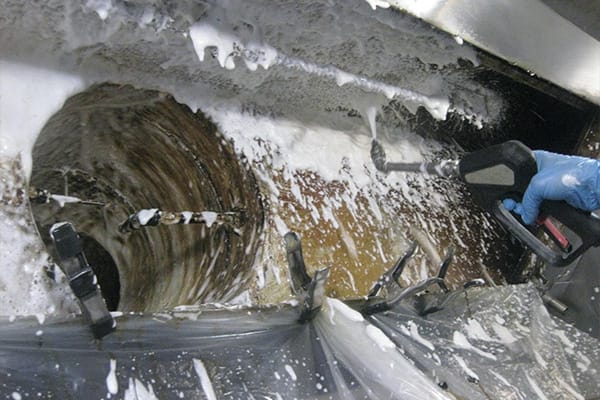
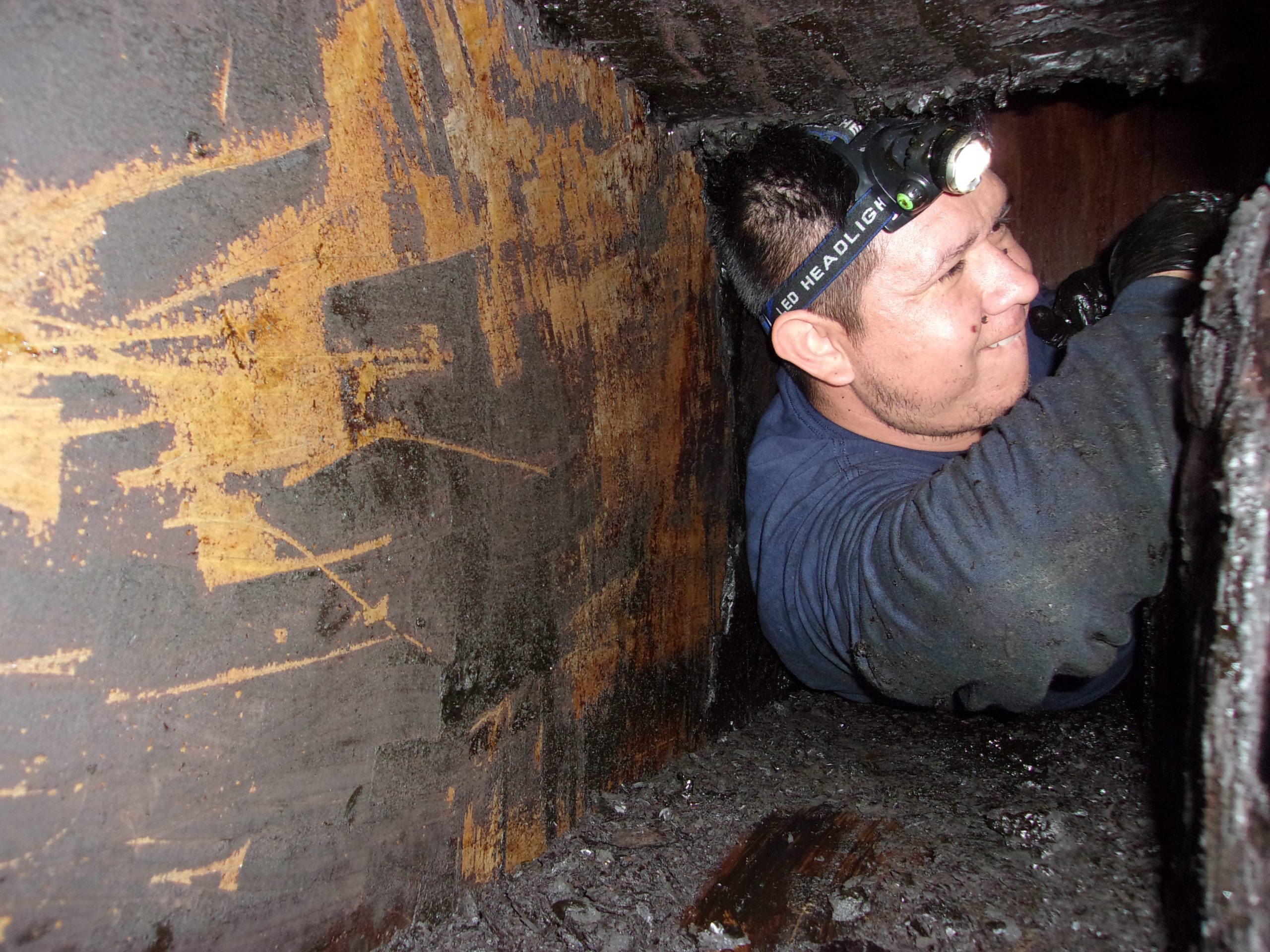
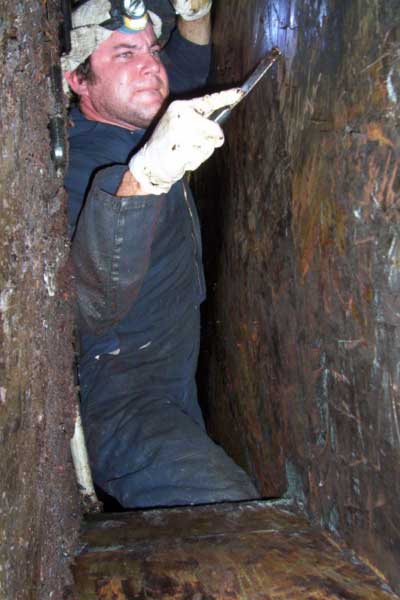
The steps involved in the kitchen exhaust cleaning process include an initial inspection, disassembly of components, thorough cleaning of ducts and hoods, sanitization, and reassembly to ensure optimal performance and compliance with safety standards.
How do I maintain my kitchen exhaust system effectively?
Maintaining your kitchen exhaust system effectively involves regular cleaning, checking for grease buildup, ensuring proper airflow, and scheduling professional inspections to comply with safety standards. Consistent upkeep prevents fire hazards and enhances kitchen efficiency.
What should I look for in a kitchen exhaust cleaning service?
When choosing a kitchen exhaust cleaning service, look for experienced professionals who comply with safety standards, use proper equipment, and provide thorough cleaning to ensure fire safety and efficient kitchen operations.
How frequently should kitchen exhaust systems be serviced?
Kitchen exhaust systems should be serviced regularly to ensure safety and compliance. It is recommended to have them cleaned at least every three to six months, depending on usage, to prevent fire hazards and maintain efficient kitchen operations.
What are common issues with kitchen exhaust systems?
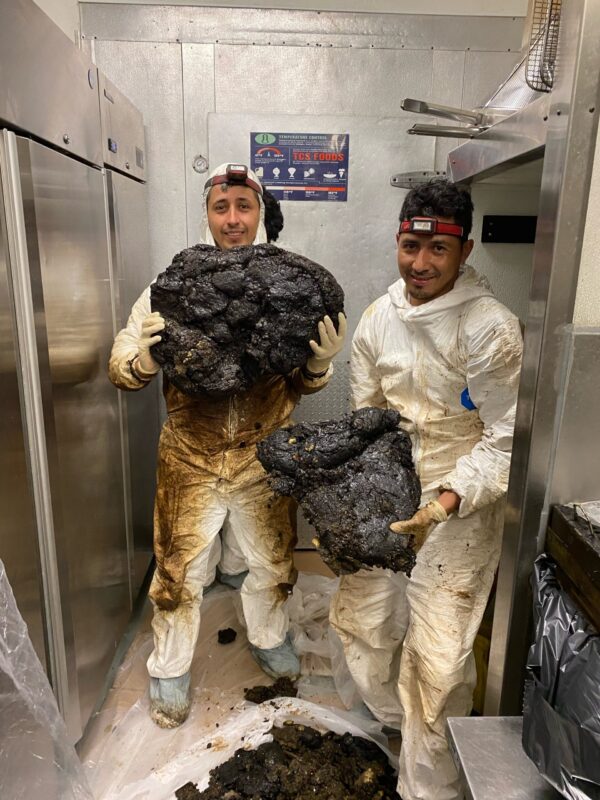
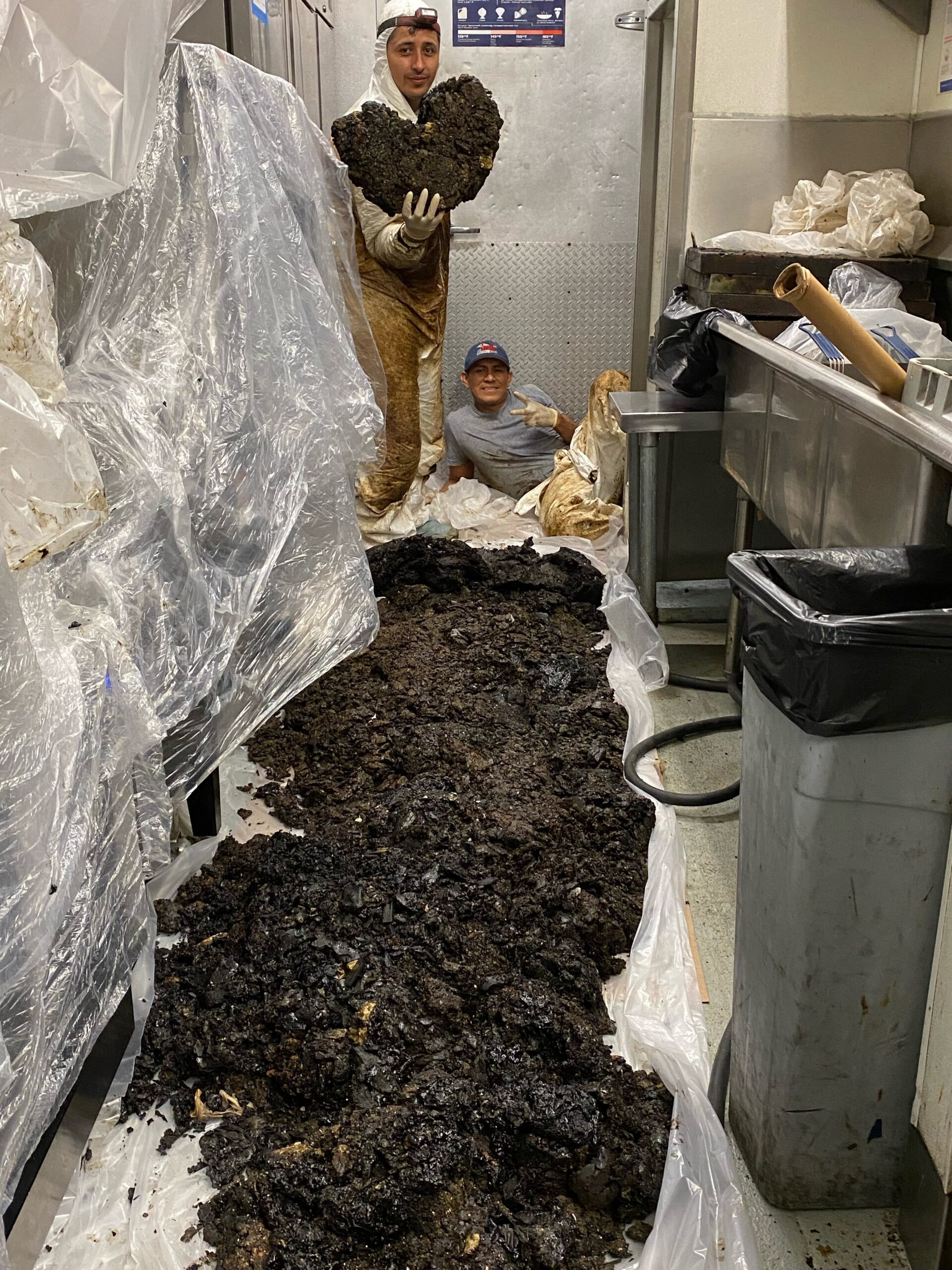
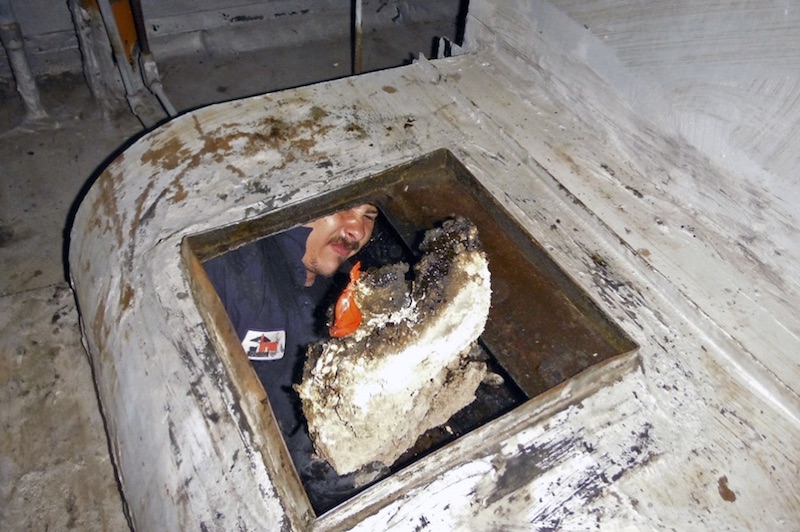
Common issues with kitchen exhaust systems include grease buildup, inadequate airflow, and malfunctioning fans. These problems can lead to fire hazards, reduced efficiency, and costly repairs if not addressed promptly with regular cleaning and maintenance.
How can I identify a reliable cleaning service?
Identifying a reliable cleaning service involves checking for proper certifications, reading customer reviews, and ensuring they have experience in your specific industry. Additionally, verify their compliance with safety standards and request a detailed estimate before hiring.
What equipment is used for exhaust cleaning?
The equipment used for exhaust cleaning includes high-pressure steam cleaners, vacuums, and specialized brushes to effectively remove grease and debris from kitchen exhaust systems, ensuring compliance with safety standards and optimal performance.
How does cleaning affect kitchen safety?
Cleaning directly impacts kitchen safety by removing grease and debris that can fuel fires and create hazardous conditions. Regular kitchen exhaust cleaning ensures compliance with safety standards, reducing fire risks and promoting a safer cooking environment.
What regulations govern kitchen exhaust maintenance?
Regulations governing kitchen exhaust maintenance include the National Fire Protection Association (NFPA) standards, particularly NFPA 96, which mandates regular cleaning to prevent fire hazards. Local health and safety codes may also apply, ensuring compliance for commercial kitchens.
How can I improve exhaust system efficiency?
Improving exhaust system efficiency involves regular maintenance, including thorough cleaning to remove grease buildup, ensuring proper airflow, and checking for any blockages. This helps maintain optimal performance and reduces fire hazards in your kitchen.
What signs indicate a need for cleaning?
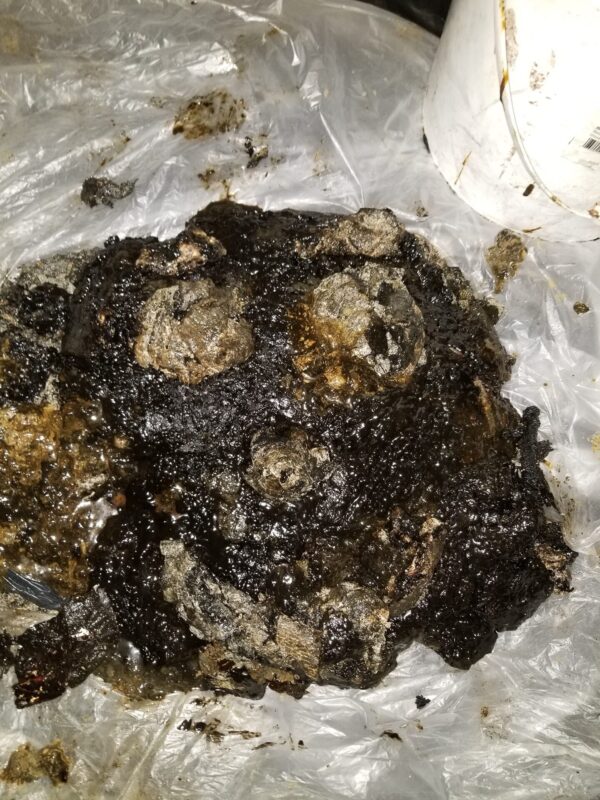
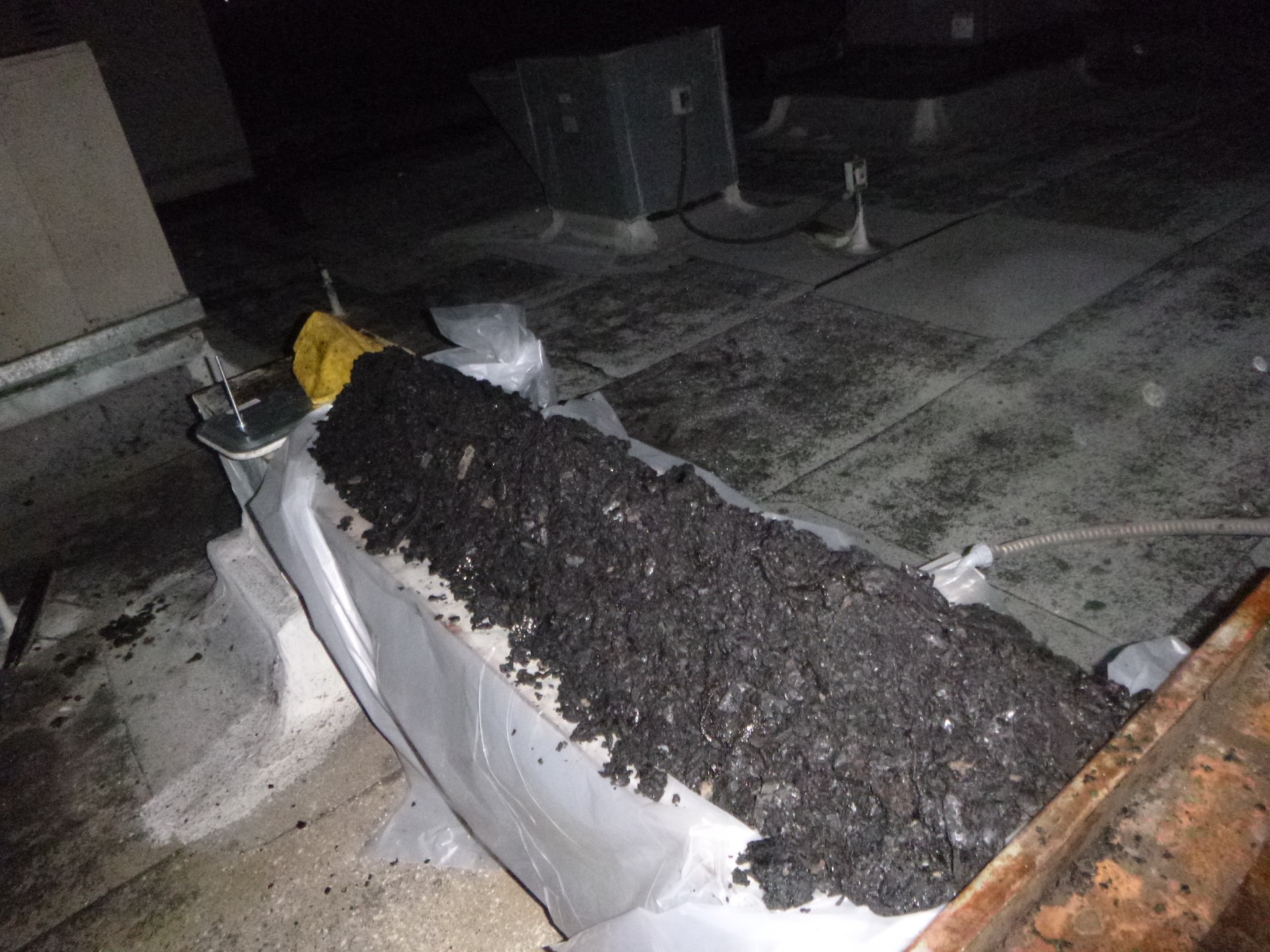
The signs that indicate a need for kitchen exhaust cleaning include a noticeable buildup of grease on surfaces, reduced airflow from vents, and an increase in smoke or odors during cooking. Regular cleaning is essential to maintain safety and compliance.
How long does the cleaning process take?
The duration of the kitchen exhaust cleaning process typically ranges from two to four hours, depending on the size and complexity of the system. Our team ensures thorough cleaning while minimizing disruption to your kitchen operations.
What are the costs associated with exhaust cleaning?
The costs associated with exhaust cleaning vary based on factors such as the size of the kitchen, the level of grease buildup, and the specific services required. Contact us for a detailed estimate tailored to your needs.
How can I prevent grease buildup in exhausts?
Preventing grease buildup in exhausts involves regular maintenance and cleaning. Ensure that filters are cleaned frequently, use proper cooking techniques to minimize grease production, and schedule professional exhaust cleaning services to maintain safety and efficiency in your kitchen.
What training do cleaning technicians receive?
Cleaning technicians receive comprehensive training that includes safety protocols, proper cleaning techniques, and equipment handling to ensure effective kitchen exhaust cleaning while maintaining compliance with industry standards.
How does cleaning impact kitchen air quality?
Cleaning significantly improves kitchen air quality by removing grease, smoke, and contaminants that accumulate in exhaust systems. This process reduces odors and airborne pollutants, promoting a healthier environment for kitchen staff and ensuring compliance with safety standards.
What are the consequences of neglecting exhaust cleaning?
The consequences of neglecting exhaust cleaning include increased fire hazards, reduced air quality, and potential non-compliance with safety regulations. Regular maintenance is essential to ensure a safe and efficient kitchen environment.
How often should filters be replaced?
Filters should be replaced regularly to maintain optimal kitchen exhaust performance. It is recommended to change them every one to three months, depending on usage and grease buildup, to ensure safety and compliance in your kitchen.
What is the best time for exhaust cleaning?
The best time for exhaust cleaning is typically during off-peak hours or when the kitchen is closed. This ensures minimal disruption to operations while allowing thorough cleaning to maintain safety and compliance.
How can I prepare my kitchen for cleaning?
Preparing your kitchen for cleaning involves clearing countertops of all items, removing grease and food debris, and ensuring access to exhaust systems. This will facilitate a thorough and efficient cleaning process by our professional team at Bryan Exhaust Service.
What certifications should a cleaning service have?
The certifications a cleaning service should have include industry-specific credentials, such as the National Fire Protection Association (NFPA) certification for kitchen exhaust cleaning, and any local health and safety compliance certifications relevant to commercial kitchens.
How do I choose the right cleaning frequency?
Choosing the right cleaning frequency depends on your kitchen's usage, type of cuisine, and local regulations. High-traffic kitchens may require monthly cleanings, while less busy ones might need quarterly services to ensure safety and compliance.
What are the environmental benefits of cleaning?
The environmental benefits of cleaning include reducing pollutants and allergens, conserving energy, and promoting a healthier ecosystem. Regular cleaning helps maintain equipment efficiency, which in turn minimizes waste and lowers the carbon footprint of kitchen operations.
How can I ensure thorough cleaning is done?
To ensure thorough cleaning is done, schedule regular professional kitchen exhaust cleaning services with experienced technicians. They will follow industry standards and use specialized equipment to effectively remove grease and debris, minimizing fire hazards and maintaining compliance.
What maintenance tips can extend exhaust lifespan?
Maintenance tips that can extend exhaust lifespan include regular cleaning to prevent grease buildup, checking and replacing filters as needed, ensuring proper ventilation, and scheduling professional inspections to identify potential issues early.
What are the most common cleaning methods used?
The most common cleaning methods used for kitchen exhaust systems include mechanical cleaning, where equipment is disassembled and manually scrubbed, and chemical cleaning, which utilizes specialized detergents to break down grease and grime.