Frequently Asked Questions
What are the benefits of regular kitchen exhaust cleaning?
The benefits of regular kitchen exhaust cleaning include improved safety by reducing fire hazards, enhanced air quality for a healthier environment, and increased efficiency of kitchen equipment, ultimately leading to compliance with health regulations and lower maintenance costs.
How often should commercial kitchen hoods be cleaned?
Commercial kitchen hoods should be cleaned regularly to ensure safety and compliance. It is generally recommended to have them cleaned every three to six months, depending on usage and local regulations.
What are the best practices for maintaining kitchen exhaust systems?
The best practices for maintaining kitchen exhaust systems include regular cleaning and inspections, ensuring proper airflow, replacing filters as needed, and scheduling professional deep cleanings to comply with health regulations and enhance safety.
What are the signs of a dirty exhaust system?
The signs of a dirty exhaust system include excessive grease buildup, unusual odors, reduced airflow, and visible smoke or steam. These indicators can compromise kitchen safety and efficiency, highlighting the need for regular maintenance.
How can I ensure my kitchen exhaust is compliant?
Ensuring your kitchen exhaust is compliant involves regular professional cleaning, adhering to local health and safety regulations, and scheduling inspections to meet the standards set by fire departments and health authorities.
What tools are needed for exhaust cleaning?
The tools needed for exhaust cleaning include high-pressure washers, degreasers, scrub brushes, and vacuums specifically designed for grease removal. Additionally, safety gear such as gloves and goggles is essential for protection during the cleaning process.
How does grease buildup affect kitchen safety?
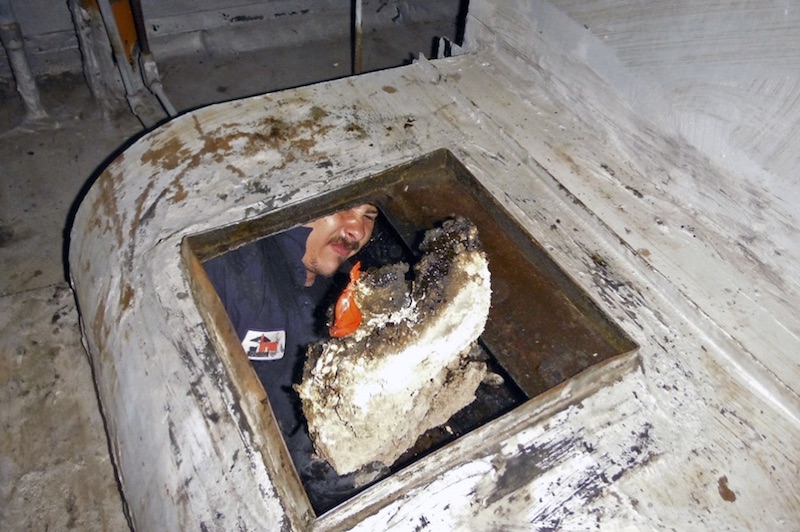
Grease buildup significantly impacts kitchen safety by increasing the risk of fire hazards and reducing ventilation efficiency. Accumulated grease can ignite easily, posing serious dangers to both staff and patrons if not regularly cleaned and maintained.
What is the cost of professional exhaust cleaning?
The cost of professional exhaust cleaning varies based on factors such as the size of the kitchen, the level of grease buildup, and the service provider. Typically, prices range from $300 to $1,500 for thorough cleanings.
How can I extend the life of my exhaust system?
Extending the life of your exhaust system involves regular cleaning and maintenance, ensuring proper ventilation, and promptly addressing any repairs. This proactive approach helps prevent buildup and damage, promoting efficiency and longevity in your kitchen exhaust system.
What regulations govern kitchen exhaust maintenance?
Regulations governing kitchen exhaust maintenance include the National Fire Protection Association (NFPA) Standard 96, which mandates regular cleaning to prevent grease buildup and fire hazards, as well as local health department codes ensuring compliance with safety standards.
How often should filters be replaced in exhaust systems?
The frequency of filter replacement in exhaust systems is crucial for optimal performance. Filters should typically be replaced every 1 to 3 months, depending on usage and cooking volume, to maintain efficiency and ensure compliance with safety regulations.
What are the risks of neglecting exhaust cleaning?
The risks of neglecting exhaust cleaning include increased fire hazards, poor air quality, and potential health violations. Accumulated grease and debris can ignite, leading to dangerous kitchen fires and costly fines for non-compliance with health regulations.
How can I choose a reliable cleaning service?
Choosing a reliable cleaning service involves researching their reputation, checking customer reviews, verifying their certifications, and ensuring they have experience in kitchen exhaust cleaning specifically. Look for services that offer transparent pricing and excellent customer support.
What should I expect during an exhaust cleaning service?
During an exhaust cleaning service, you can expect a thorough inspection and cleaning of your kitchen's exhaust system, including hoods, ducts, and fans, ensuring compliance with safety regulations and improving overall kitchen efficiency.
How does exhaust cleaning improve kitchen efficiency?
Exhaust cleaning significantly improves kitchen efficiency by ensuring optimal airflow and reducing the risk of fire hazards. Clean exhaust systems enhance ventilation, allowing cooking equipment to operate more effectively, which leads to faster meal preparation and a safer working environment.
What are common mistakes in exhaust maintenance?
Common mistakes in exhaust maintenance include neglecting regular cleaning schedules, using improper cleaning methods, and failing to inspect for grease buildup. These oversights can lead to fire hazards and reduced efficiency in kitchen operations.
How can I prepare my kitchen for cleaning?
Preparing your kitchen for cleaning involves clearing countertops of all items, removing any food debris, and ensuring access to the exhaust system. This will facilitate a thorough cleaning and help maintain a safe, efficient kitchen environment.
What are the environmental benefits of exhaust cleaning?
The environmental benefits of exhaust cleaning include reducing harmful emissions and improving air quality. By maintaining clean kitchen exhaust systems, restaurants can minimize their carbon footprint and contribute to a healthier environment.
How does exhaust cleaning impact kitchen air quality?
Exhaust cleaning significantly improves kitchen air quality by removing grease, smoke, and odors that accumulate in exhaust systems. This process reduces airborne pollutants, ensuring a healthier environment for kitchen staff and enhancing overall dining experiences for customers.
What certifications should a cleaning service have?
The certifications a cleaning service should have include industry-specific credentials such as the National Fire Protection Association (NFPA) certification, as well as any local health department certifications to ensure compliance with safety and sanitation standards.
How can I identify a reputable exhaust cleaning company?
Identifying a reputable exhaust cleaning company involves checking for certifications, customer reviews, and industry experience. Look for companies that adhere to safety regulations and offer transparent pricing, ensuring quality service for your kitchen exhaust system.
What are the steps in the cleaning process?
The steps in the cleaning process involve a thorough inspection of the exhaust system, followed by the removal of grease and debris, cleaning of all components, and finally, a detailed inspection to ensure compliance with safety regulations.
How does regular cleaning affect insurance premiums?
Regular cleaning of kitchen exhaust systems can positively affect insurance premiums by reducing the risk of fire hazards and ensuring compliance with safety regulations. Insurers often offer lower rates for well-maintained facilities, reflecting the decreased likelihood of claims.
What is the best time for kitchen exhaust cleaning?
The best time for kitchen exhaust cleaning is during off-peak hours, typically after service hours or during slow business days. This ensures minimal disruption to restaurant operations while allowing thorough cleaning to maintain safety and compliance.
How can I maintain my exhaust system between cleanings?
Maintaining your exhaust system between cleanings involves regular inspections and simple tasks. Keep the filters clean, check for grease buildup, and ensure proper airflow by removing any obstructions. Regularly wipe down surfaces to prevent residue accumulation.
What are the consequences of infrequent cleaning?
The consequences of infrequent cleaning include increased fire hazards, reduced kitchen efficiency, and potential health code violations. Neglecting regular maintenance can lead to costly repairs and jeopardize the safety of your restaurant environment.
How do I know if my exhaust needs cleaning?
The signs that indicate your exhaust needs cleaning include excessive grease buildup, unpleasant odors, reduced airflow, and visible smoke when cooking. Regular inspections can help ensure your kitchen exhaust system remains compliant and safe.
What are the benefits of using eco-friendly cleaning products?
The benefits of using eco-friendly cleaning products include a reduced environmental impact, improved indoor air quality, and enhanced safety for both employees and customers. These products help maintain a clean kitchen while promoting health and sustainability.
How can I educate staff on exhaust maintenance?
Educating staff on exhaust maintenance involves providing training sessions that cover the importance of clean exhaust systems, demonstrating proper cleaning techniques, and sharing maintenance schedules to ensure compliance with safety regulations.
What are the latest technologies in exhaust cleaning?
The latest technologies in exhaust cleaning include advanced robotic systems for thorough cleaning, high-pressure steam cleaning for effective grease removal, and eco-friendly chemical solutions that enhance safety and efficiency while minimizing environmental impact.