

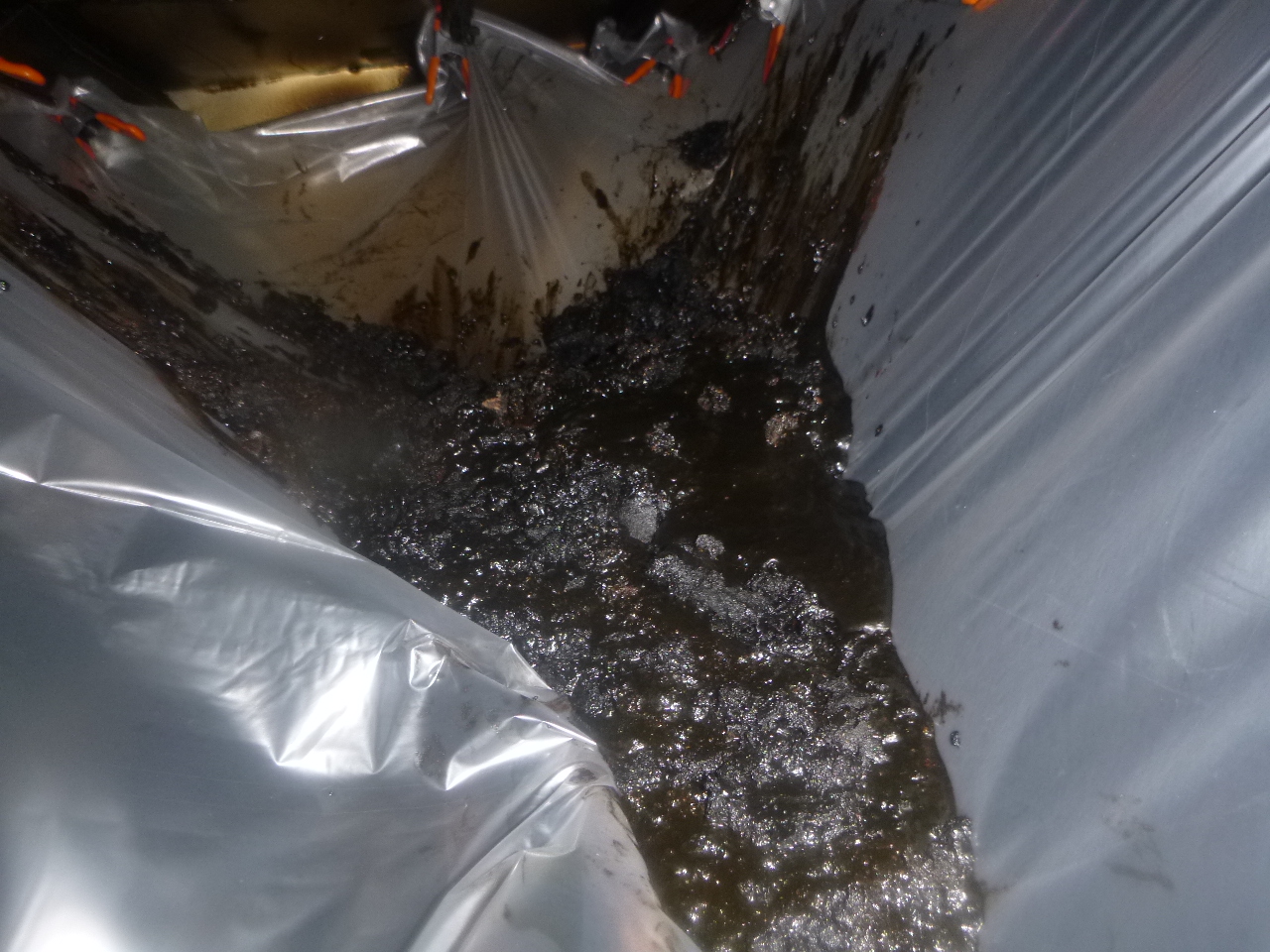
Charbroilers are a cornerstone of many high-volume restaurants. They produce the flavor customers love, but they also generate one of the most difficult types of grease found in commercial kitchen exhaust systems. Charbroiler grease is not just another byproduct of cooking. It is a stubborn, heavy residue that behaves very differently from fryer grease or light cooking oils.
In high-volume environments, charbroiler grease can overwhelm standard cleaning methods and quickly create dangerous conditions inside hoods, ducts, and exhaust fans. Understanding how this grease forms, why it is so difficult to remove, and what it takes to manage it properly is essential for restaurant owners who want to maintain safety, compliance, and operational efficiency.
This article explains, in simple and easy language, what makes charbroiler grease unique, why scraping is often necessary in high-volume kitchens, how neglect leads to serious hazards, and how proper cleaning protects both equipment and people. There is no technical jargon and no over-complication—just clear, practical information based on real-world experience.


What Makes Charbroiler Grease Different
Charbroiler grease is created when meat fats drip onto open flames or extremely hot surfaces. This process produces smoke and vapor that contain partially burned grease particles. These particles are heavier, stickier, and more carbonized than grease produced by many other cooking methods.
Unlike fryer grease, which is thin and fluid when hot, charbroiler grease is thick and sticky almost immediately. When it enters the exhaust system, it clings aggressively to metal surfaces.
Once attached, it hardens quickly. This behavior is what makes charbroiler grease so difficult to remove and so dangerous when ignored.
Why High-Volume Charbroilers Create Serious Problems
In high-volume restaurants, charbroilers operate continuously for long periods. Each burger, steak, or piece of chicken adds more grease to the exhaust system.
Because charbroiler grease hardens quickly, it does not have time to drain away or move through the system. Instead, it builds up layer by layer on hoods, ducts, and fan components.
Over time, these layers become thick, heavy, and extremely difficult to remove. In busy kitchens, this process happens far faster than most owners realize.
Why Chemicals and Pressure Washing Are Often Not Enough
Many types of kitchen grease can be removed using chemical cleaners and high-pressure washing. Charbroiler grease often cannot.
Once this grease hardens, chemicals struggle to penetrate it. High-pressure water may remove surface residue, but it often leaves behind thick layers bonded to the metal.
In high-volume charbroiler kitchens, relying on chemicals alone gives a false sense of cleanliness. The system may look cleaner, but dangerous buildup remains.
Why Scraping Becomes Necessary
Scraping is typically associated with initial restorative cleanings, when a system has been neglected for years. With charbroiler grease, however, scraping often becomes part of regular maintenance.
Because the grease hardens so quickly, it must be physically removed before it can build into thick layers. Scraping allows technicians to remove grease that washing cannot.
In high-volume charbroiler operations, scraping during each service is often the only way to keep the exhaust system under control.
Table: Charbroiler Grease vs Other Cooking Grease
| Type of Grease | How It Behaves | Cleaning Challenge |
| Charbroiler grease | Thick, sticky, carbonized | Requires scraping |
| Fryer grease | Runny when hot | Drains and washes easier |
| Light cooking oils | Thin residue | Chemical cleaning effective |
| Mixed kitchen grease | Variable | Moderate difficulty |
This table shows why charbroiler grease requires a different approach.
What Happens When Charbroiler Grease Is Not Scraped
When scraping is skipped, charbroiler grease continues to harden inside the exhaust system.
Each layer traps heat and additional grease. Over time, buildup becomes rock hard. At this stage, removal is far more difficult and time-consuming.
More importantly, fire risk increases dramatically. Hardened charbroiler grease provides a dense fuel source inside ducts and hoods.
Fire Risk Associated With Charbroiler Grease
Charbroiler grease is highly combustible. Because it contains carbonized material, it ignites more easily than lighter grease.
If flames or sparks are drawn into the exhaust hood, they can ignite this grease quickly. Once ignited, fire spreads rapidly through grease-coated ductwork.
This is why charbroiler kitchens are often involved in serious exhaust fires when maintenance is inadequate.
Why This Grease Is Often Missed During Cleaning
Charbroiler grease tends to build up in areas that are difficult to access. Duct turns, hood seams, and fan housings are common problem spots.
If cleaning focuses only on visible surfaces, this grease remains hidden. Over time, repeated surface cleanings allow internal buildup to worsen.
Without opening access doors and physically checking interior surfaces, charbroiler grease can remain undetected.
The Long-Term Impact on Exhaust Equipment
Charbroiler grease does more than increase fire risk. It also damages equipment.
Heavy buildup restricts airflow, making kitchens hotter and smokier. Fans work harder, increasing wear on motors and bearings.
Over time, this leads to mechanical failures, higher repair costs, and shorter equipment lifespan.
Why High-Volume Restaurants Need a Different Cleaning Strategy
High-volume charbroiler kitchens cannot rely on generic cleaning schedules.
Because grease builds up faster and hardens sooner, these systems require more frequent and more aggressive maintenance.
Scraping must be planned, not treated as an occasional extra. When included as part of routine service, scraping prevents extreme buildup and keeps systems manageable.
Why Owners Often Underestimate the Problem
From the dining room or kitchen floor, charbroiler grease buildup is invisible.
As long as the hood appears clean and air is moving, it is easy to assume everything is fine. Unfortunately, by the time visible problems appear, internal contamination is often severe.
This is why understanding the behavior of charbroiler grease is so important for owners.
How Regular Scraping Protects Safety and Compliance
Fire codes require exhaust systems to be kept free of excessive grease buildup. In charbroiler kitchens, meeting this requirement often depends on scraping.
By removing grease before it hardens, scraping reduces fire risk and helps systems pass inspections.
It also makes future cleanings easier and less disruptive.
What Restaurant Owners Can Do
Owners do not need to scrape grease themselves, but they should understand what their kitchen produces.
Knowing that charbroiler grease requires physical removal helps owners ask better questions about cleaning methods and frequency.
Confirming that scraping is included in regular service can prevent dangerous buildup.
How Bryan Exhaust Handles Charbroiler Grease
Bryan Exhaust has experience working in high-volume charbroiler kitchens where standard cleaning methods are not enough.
Our approach includes scraping when necessary, thorough access to all exhaust system components, and verification that grease is truly removed—not just softened or spread.
By addressing charbroiler grease properly, we help owners maintain safer kitchens and extend the life of their exhaust systems.
Final Thoughts
Charbroiler grease is one of the most challenging substances found in restaurant kitchen exhaust systems. In high-volume environments, it hardens quickly and resists standard cleaning methods.
Scraping is not a sign of failure—it is a necessary part of proper maintenance in these kitchens.
Understanding how charbroiler grease behaves and why it requires special attention helps restaurant owners protect their staff, their equipment, and their business.
Services We Provide
Professional commercial kitchen exhaust and ventilation cleaning services ensuring safety and compliance.
