Frequently Asked Questions
What are the benefits of professional hood cleaning services?
The benefits of professional hood cleaning services include enhanced fire safety, improved air quality, compliance with health regulations, and increased kitchen equipment efficiency. Regular cleaning helps prevent grease buildup, ensuring a safer and more efficient kitchen environment.
How do I choose a reputable hood cleaning company?
Choosing a reputable hood cleaning company involves researching their credentials, checking for certifications, reading customer reviews, and ensuring they follow industry standards for safety and compliance. Always ask for references to verify their reliability.
What safety standards apply to hood cleaning?
The safety standards that apply to hood cleaning include the National Fire Protection Association (NFPA) 96, which outlines guidelines for the installation, maintenance, and inspection of kitchen exhaust systems to prevent fire hazards and ensure compliance with health regulations.
How often should hood cleaning be performed?
Hood cleaning should be performed regularly to ensure safety and efficiency. Typically, it is recommended to clean kitchen hoods every three to six months, depending on the volume of cooking and grease buildup.
What equipment is used in hood cleaning?
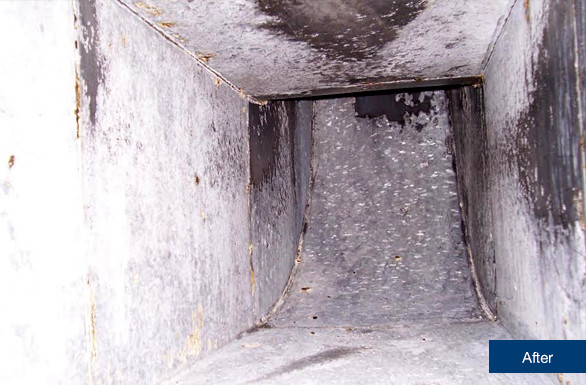
The equipment used in hood cleaning includes high-pressure steam cleaners, degreasing agents, specialized brushes, and vacuums designed for commercial kitchens. This combination effectively removes grease and ensures a thorough clean of the exhaust system.
What are the signs of a dirty hood?
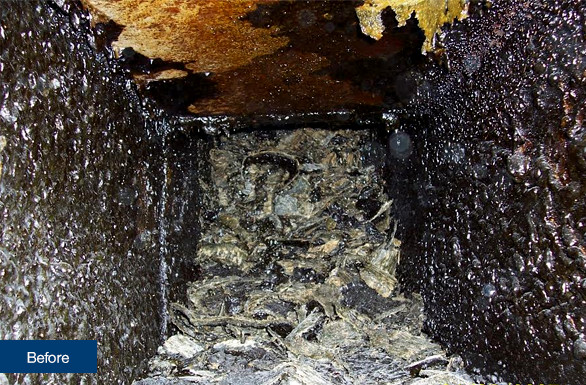
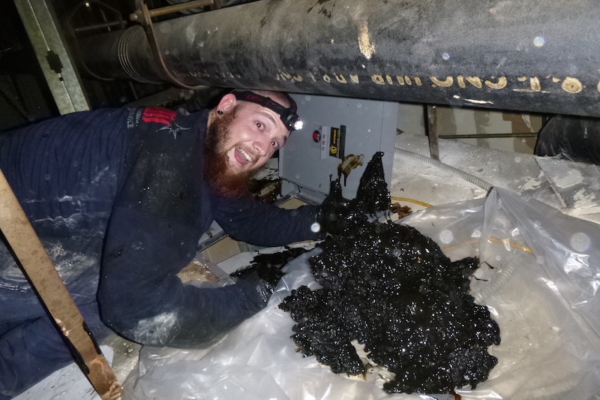
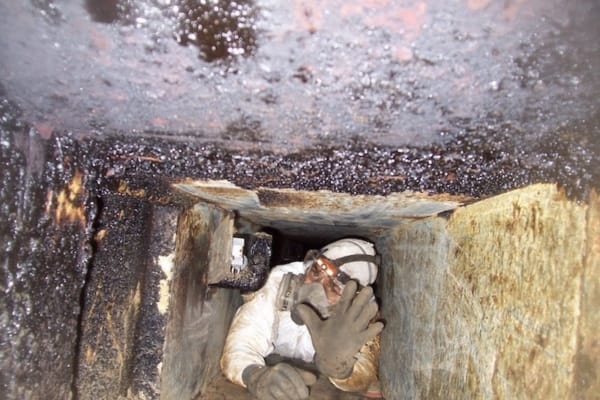
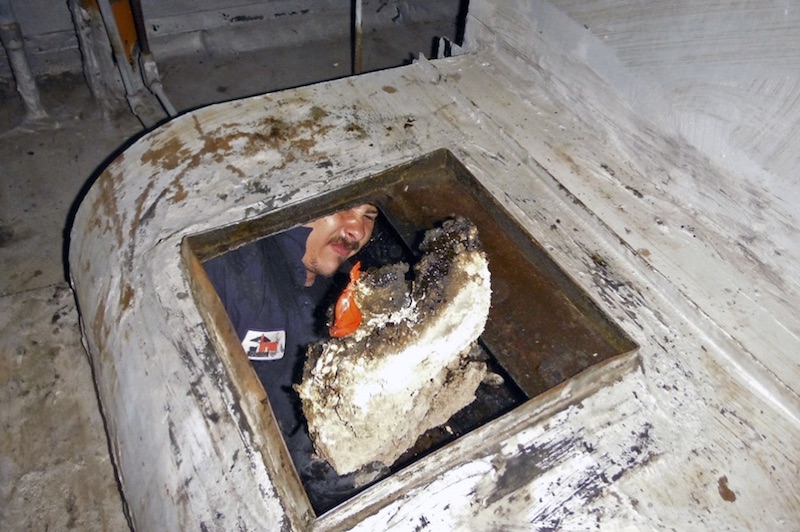
The signs of a dirty hood include excessive grease buildup, a strong odor in the kitchen, reduced airflow, and visible grime around the filters and exhaust system. Regular cleaning is essential for safety and efficiency.
How does hood cleaning improve kitchen safety?
Hood cleaning significantly improves kitchen safety by removing grease buildup, which is a major fire hazard. A clean exhaust system ensures proper ventilation, reducing the risk of smoke and heat accumulation, thus creating a safer cooking environment.
What is the cost of professional hood cleaning?
The cost of professional hood cleaning varies based on factors such as the size of the kitchen, the level of grease buildup, and the service provider. Typically, prices range from $200 to $1,000 per cleaning.
Are there specific regulations for hood cleaning?
There are specific regulations for hood cleaning that require regular maintenance to ensure fire safety and health compliance in commercial kitchens. These regulations can vary by location but typically follow standards set by organizations like the National Fire Protection Association (NFPA).
How can I verify a hood cleaning services credentials?
Verifying a hood cleaning service's credentials involves checking for proper licensing, insurance, and certifications from recognized industry organizations. Additionally, request references and read customer reviews to ensure their reliability and expertise.
What should I expect during a hood cleaning?
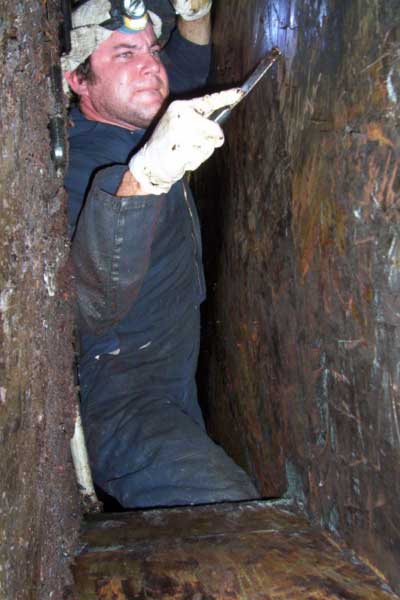
During a hood cleaning, you can expect a thorough inspection and cleaning of your kitchen exhaust system, including hoods, ducts, and filters, ensuring compliance with safety regulations and improving kitchen efficiency.
How does hood cleaning affect kitchen efficiency?
Hood cleaning significantly enhances kitchen efficiency by ensuring optimal airflow and reducing the risk of grease buildup, which can obstruct ventilation systems. This leads to improved cooking performance and a safer, more compliant kitchen environment.
What are the health benefits of hood cleaning?
The health benefits of hood cleaning include reducing the risk of grease buildup, which can harbor bacteria and allergens, thereby promoting a safer and cleaner kitchen environment. This maintenance helps ensure compliance with health regulations and protects the well-being of both staff and customers.
Can I perform hood cleaning myself?
Performing hood cleaning yourself is not recommended. Professional services ensure thorough cleaning, compliance with safety regulations, and the removal of grease buildup that can pose fire hazards, which may be challenging to achieve without proper training and equipment.
What is included in a hood cleaning service?
A hood cleaning service includes the thorough cleaning of kitchen exhaust systems, which encompasses the hood, ductwork, filters, and fans. This process ensures the removal of grease buildup, promoting fire safety and compliance with health regulations.
How do I prepare for a hood cleaning?
Preparing for a hood cleaning involves clearing the area around the hood, removing any items that may obstruct access, and ensuring that the kitchen is ready for the service. This helps facilitate a thorough and efficient cleaning process.
What are the risks of neglecting hood cleaning?
The risks of neglecting hood cleaning include increased fire hazards, compromised air quality, and potential health code violations. Accumulated grease and debris can lead to dangerous kitchen fires and negatively impact the safety and efficiency of your restaurant operations.
How long does a typical hood cleaning take?
The duration of a typical hood cleaning varies but generally takes between 2 to 4 hours, depending on the size and condition of the exhaust system.
What chemicals are used in hood cleaning?
The chemicals used in hood cleaning primarily include degreasers and alkaline cleaners that effectively break down grease and grime. These solutions are formulated to ensure thorough cleaning while being safe for kitchen environments.
How can I maintain my hood after cleaning?
Maintaining your hood after cleaning involves regular inspections and prompt removal of grease buildup. Ensure that filters are cleaned frequently, and keep the surrounding area free of debris to promote airflow and prevent fire hazards.
What certifications should a hood cleaning company have?
The certifications a hood cleaning company should have include NFPA 96 compliance, which ensures adherence to fire safety standards, and IKECA certification, demonstrating expertise in kitchen exhaust cleaning. These credentials indicate professionalism and commitment to safety.
How do I find local hood cleaning services?
Finding local hood cleaning services can be achieved by searching online directories, checking customer reviews, and asking for recommendations from other restaurant owners. Additionally, contacting Bryan Exhaust Service ensures you receive professional and reliable cleaning tailored to your needs.
What are the environmental impacts of hood cleaning?
The environmental impacts of hood cleaning include the reduction of grease buildup, which can lead to harmful emissions and fire hazards. Proper cleaning helps maintain air quality and promotes a safer, cleaner kitchen environment, benefiting both health and sustainability.
How does hood cleaning prevent grease fires?
Hood cleaning prevents grease fires by removing built-up grease and flammable residues from kitchen exhaust systems. Regular cleaning ensures proper airflow and reduces the risk of ignition, thereby enhancing fire safety in restaurant kitchens.
What is the process for hood cleaning?
The process for hood cleaning involves several key steps: first, the kitchen is inspected to assess the level of buildup; then, the exhaust system is disassembled as needed; next, specialized cleaning agents are applied to remove grease and debris; finally, the system is reassembled and inspected to ensure proper functionality and safety.
How can I ensure thorough hood cleaning?
Ensuring thorough hood cleaning involves hiring a professional service like Bryan Exhaust Service, which uses specialized equipment and techniques to remove grease and debris effectively. Regular maintenance and inspections are also essential for optimal results.
What are customer reviews saying about hood cleaning services?
Customer reviews about hood cleaning services highlight their importance in maintaining kitchen safety and efficiency. Many customers praise the thoroughness of professional cleaners, noting improved air quality and compliance with health regulations.
How does hood cleaning affect insurance premiums?
Hood cleaning can significantly impact insurance premiums. Regularly maintained kitchen exhaust systems reduce fire risks, potentially leading to lower insurance rates and better coverage terms for restaurants.
What training do hood cleaning professionals receive?
Hood cleaning professionals receive specialized training focused on fire safety regulations, proper cleaning techniques, and the use of industrial equipment. This training ensures they effectively maintain kitchen exhaust systems, promoting safety and compliance in restaurant environments.
How can I schedule a hood cleaning appointment?
Scheduling a hood cleaning appointment is easy. Simply contact Bryan Exhaust Service via our website or call us directly to discuss your needs and set up a convenient time for our professional team to assist you.