Frequently Asked Questions
What is kitchen hood cleaning?
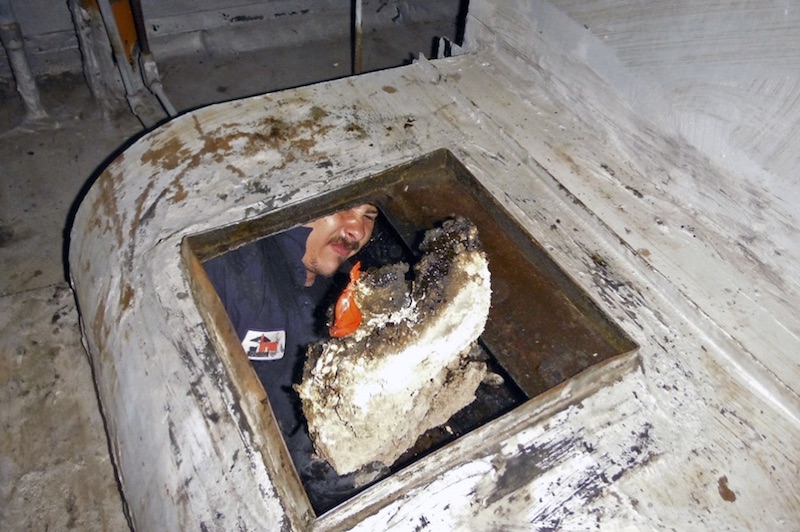
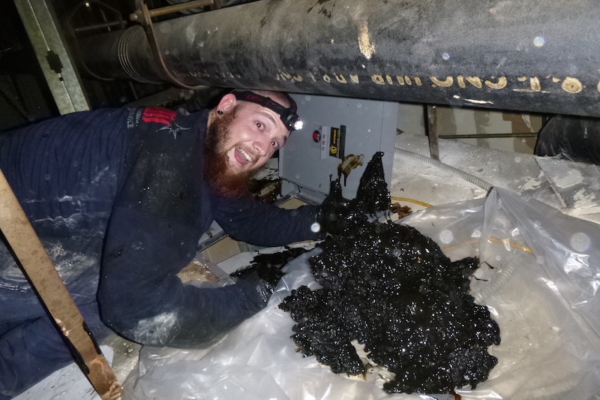
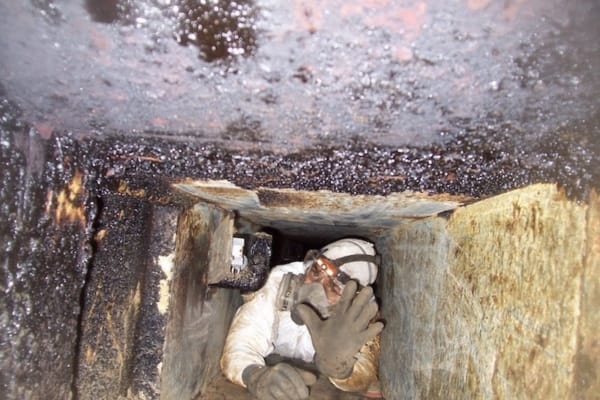
Kitchen hood cleaning is the process of thoroughly cleaning the exhaust systems in commercial kitchens, including hoods, ducts, and filters, to remove grease and debris that can pose fire hazards and ensure a safe cooking environment.
How much is kitchen hood cleaning?
The cost of kitchen hood cleaning varies based on factors such as the size of the system and the level of grease buildup. Typically, prices range from $200 to $500, but it's best to request a personalized estimate for accurate pricing.
Kitchen hood cleaning how often?
Kitchen hood cleaning frequency is essential for safety and hygiene. It is recommended to clean kitchen hoods every three to six months, depending on usage, to prevent grease buildup and reduce fire hazards.
How much does kitchen hood cleaning cost?
The cost of kitchen hood cleaning varies based on factors such as the size of the kitchen, the level of grease buildup, and the specific services required. On average, prices can range from $200 to $600.
What are the benefits of kitchen hood cleaning?
The benefits of kitchen hood cleaning include reducing fire hazards, improving air quality, and ensuring compliance with health and safety regulations. Regular cleaning also enhances the efficiency of the exhaust system, promoting a safer and more hygienic kitchen environment.
How is kitchen hood cleaning performed?
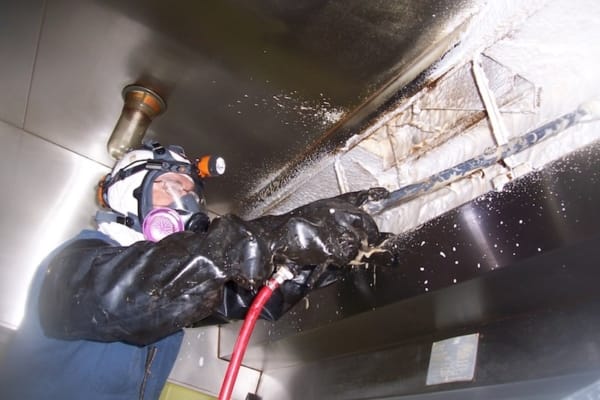
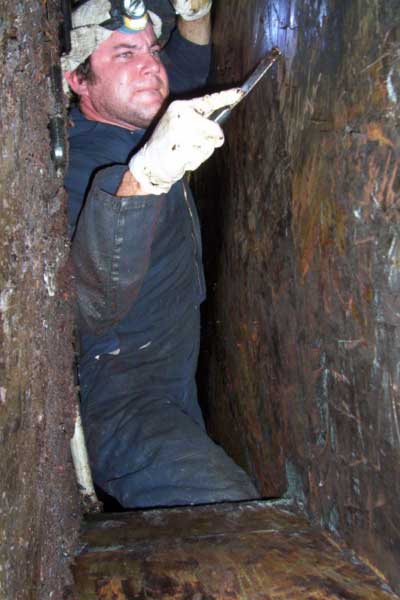
Kitchen hood cleaning is performed by thoroughly removing grease and grime from the hood, ducts, and filters using specialized equipment and eco-friendly cleaning solutions, ensuring a safe and hygienic environment in commercial kitchens.
What equipment is used for kitchen hood cleaning?
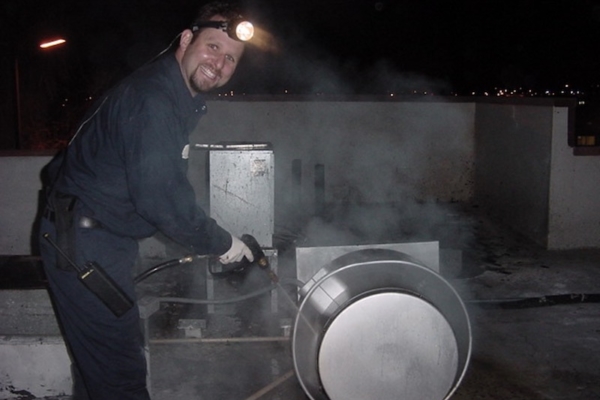
The equipment used for kitchen hood cleaning includes high-pressure steam cleaners, degreasers, scrapers, and specialized brushes. These tools effectively remove grease and debris, ensuring a thorough and safe cleaning of exhaust systems.
How long does kitchen hood cleaning take?
The duration of kitchen hood cleaning varies based on the size and condition of the system. Typically, the process takes between 1 to 3 hours to ensure thorough cleaning and compliance with safety standards.
What are the signs of a dirty hood?
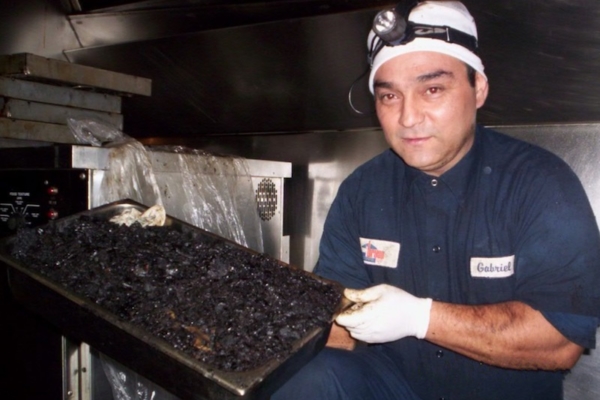
The signs of a dirty hood include excessive grease buildup, reduced airflow, unpleasant odors, and visible smoke during cooking. Regular maintenance is essential to prevent fire hazards and ensure a safe kitchen environment.
Can I clean my kitchen hood myself?
Cleaning your kitchen hood yourself is possible, but it's often not recommended. Professional services ensure thorough cleaning and safety, reducing fire hazards and maintaining hygiene in your commercial kitchen.
What are the risks of neglecting hood cleaning?
The risks of neglecting hood cleaning include increased fire hazards due to grease buildup, compromised air quality, and potential health violations. Regular maintenance ensures a safe and hygienic kitchen environment, protecting both staff and customers.
How often should commercial kitchens clean hoods?
Commercial kitchens should clean their hoods every three to six months, depending on usage and local regulations, to prevent grease buildup and ensure a safe, hygienic working environment. Regular maintenance is essential for fire safety and compliance.
What regulations apply to kitchen hood cleaning?
The regulations that apply to kitchen hood cleaning include the National Fire Protection Association (NFPA) standards, particularly NFPA 96, which mandates regular cleaning to prevent fire hazards. Local health and safety codes may also impose specific requirements for commercial kitchens.
What is included in a kitchen hood cleaning service?
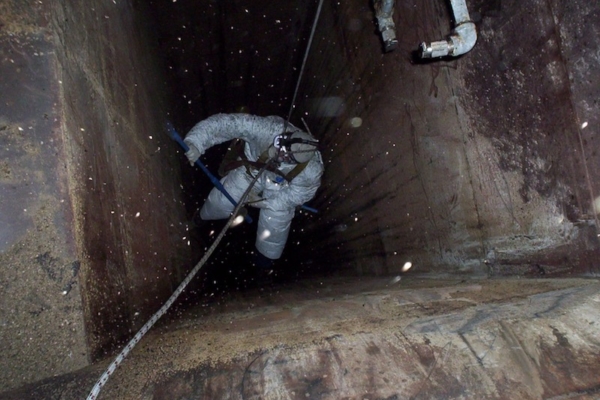
A kitchen hood cleaning service includes a thorough cleaning of the entire exhaust system, including the hood, filters, ducts, and fan. This process removes grease buildup, ensuring optimal performance and reducing fire hazards in commercial kitchens.
How do I choose a hood cleaning service?
Choosing a hood cleaning service involves considering their experience, certifications, and customer reviews. Look for a company that specializes in kitchen exhaust systems and offers transparent pricing and free estimates to ensure quality service.
What are common kitchen hood cleaning mistakes?
Common kitchen hood cleaning mistakes include neglecting regular maintenance, using improper cleaning agents, failing to clean the entire system, and overlooking hard-to-reach areas. These oversights can lead to fire hazards and reduced efficiency.
Is kitchen hood cleaning necessary for safety?
Kitchen hood cleaning is essential for safety. Regular cleaning prevents grease buildup, which can lead to fire hazards, ensuring a safe and hygienic environment in commercial kitchens.
How does hood cleaning prevent fire hazards?
Hood cleaning prevents fire hazards by removing grease and flammable residues that accumulate in kitchen exhaust systems. Regular cleaning ensures proper airflow and reduces the risk of ignition, thereby maintaining a safer working environment in commercial kitchens.
What should I expect during a cleaning service?
During a cleaning service, you can expect a thorough inspection of your kitchen exhaust system, followed by detailed cleaning to remove grease and debris, ensuring optimal performance and safety in your commercial kitchen.
Are there eco-friendly cleaning options available?
Eco-friendly cleaning options are available for kitchen exhaust systems. At Bryan Exhaust Service, we prioritize sustainability by using environmentally friendly products that effectively clean while minimizing harmful impacts on the environment.
How can I maintain my kitchen hood?
Maintaining your kitchen hood involves regular cleaning and inspection. Ensure filters are cleaned or replaced frequently, check for grease buildup, and schedule professional cleanings to enhance safety and efficiency in your kitchen.
What are the costs of regular maintenance?
The costs of regular maintenance for kitchen exhaust systems vary based on the size and condition of the system, but typically range from $200 to $500 per service. Investing in routine maintenance helps prevent costly repairs and ensures safety.
How do I schedule a kitchen hood cleaning?
Scheduling a kitchen hood cleaning is simple. You can contact Bryan Exhaust Service directly via our website or phone to request a free estimate and arrange a convenient time for our professional team to perform the cleaning.
What certifications should a cleaning service have?
The certifications a cleaning service should have include industry-specific credentials such as the National Fire Protection Association (NFPA) certification for kitchen exhaust cleaning, along with general liability insurance and any local health department certifications to ensure compliance and safety standards.
What are customer reviews saying about hood cleaning?
Customer reviews about hood cleaning highlight the effectiveness and professionalism of services, emphasizing improved safety and cleanliness in commercial kitchens. Many clients express satisfaction with the thoroughness of the cleaning and the peace of mind that comes from a well-maintained exhaust system.
How does hood cleaning improve kitchen hygiene?
Hood cleaning significantly improves kitchen hygiene by removing grease, dirt, and food particles that can harbor bacteria and create fire hazards. This ensures a safer cooking environment and promotes overall cleanliness in commercial kitchens.
What happens if I skip hood cleaning?
Skipping hood cleaning can lead to dangerous grease buildup, increasing the risk of kitchen fires and compromising safety. Additionally, neglecting this maintenance can result in poor air quality and potential health hazards for your staff and customers.
Can hood cleaning improve kitchen efficiency?
Hood cleaning can significantly improve kitchen efficiency. By removing grease and debris from exhaust systems, it enhances airflow, reduces energy consumption, and minimizes the risk of equipment malfunctions, leading to a safer and more productive kitchen environment.
What types of kitchens require hood cleaning?
The types of kitchens that require hood cleaning include commercial kitchens, restaurants, hotels, and catering facilities. Any kitchen that uses cooking equipment producing grease, smoke, or heat should have regular hood cleaning to maintain safety and compliance.
How do I prepare for a hood cleaning?
Preparing for a hood cleaning involves clearing the area around the hood, removing any items or equipment that may obstruct access, and ensuring that the exhaust system is turned off. This helps facilitate a thorough and efficient cleaning process.