Frequently Asked Questions
How often should restaurant flues be cleaned?
Restaurant flues should be cleaned regularly to ensure safety and efficiency, typically every 1 to 3 months, depending on usage. High-volume kitchens may require more frequent cleanings to prevent fire hazards and maintain optimal performance.
What are the signs that a restaurant flue needs cleaning?
The signs that a restaurant flue needs cleaning include excessive smoke buildup, unusual odors, and reduced airflow. If you notice any of these symptoms, it's crucial to schedule a cleaning to ensure safety and efficiency in your kitchen.
Why is flue cleaning important for restaurant safety?
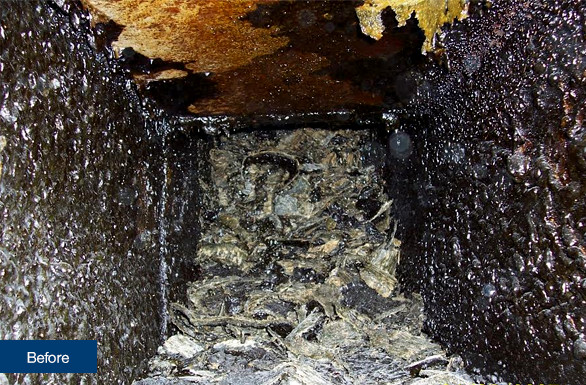
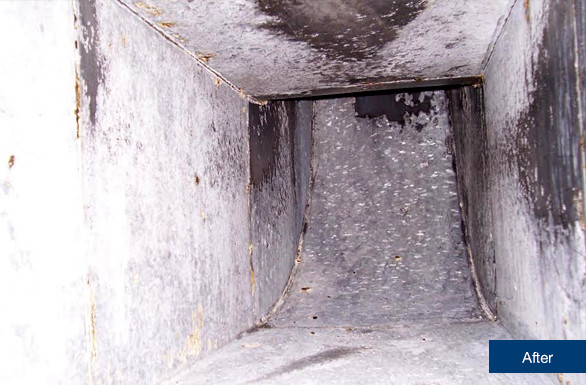
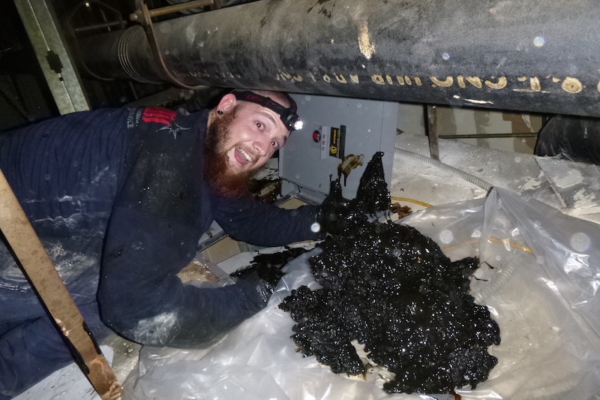
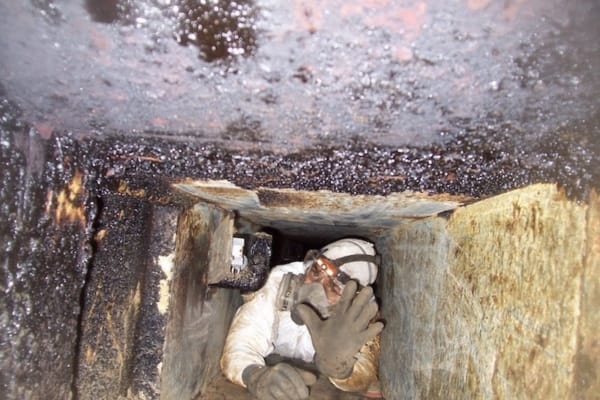
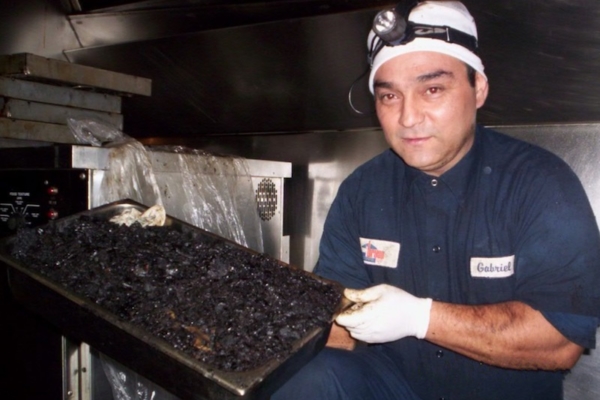
Flue cleaning is crucial for restaurant safety because it prevents the buildup of grease and flammable materials, reducing the risk of fires and ensuring proper ventilation. Regular maintenance helps maintain a safe and efficient kitchen environment.
How can I schedule a free estimate for flue cleaning?
Scheduling a free estimate for flue cleaning is simple. You can contact Bryan Exhaust Service directly via our website or phone to arrange a convenient time for our team to assess your restaurant’s exhaust system.
What are the potential consequences of neglecting flue maintenance?
Neglecting flue maintenance can lead to serious consequences, including increased fire hazards, reduced air quality, and costly repairs. Regular cleaning is essential to ensure the safety and efficiency of your restaurant's exhaust system.
How frequently should restaurant flues be inspected?
Restaurant flues should be inspected at least twice a year to ensure they are functioning safely and efficiently. Regular inspections help prevent fire hazards and maintain compliance with health and safety regulations.
What tools are used for flue cleaning?
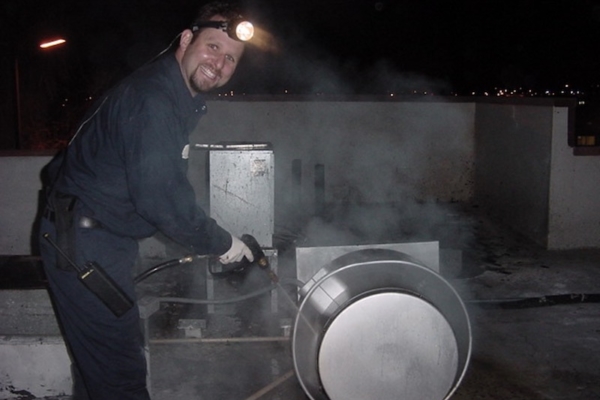
The tools used for flue cleaning include specialized brushes, high-powered vacuums, and inspection cameras. These tools effectively remove grease and debris, ensuring the exhaust system operates safely and efficiently.
Can dirty flues affect food safety?
Dirty flues can significantly affect food safety. When exhaust systems are not properly maintained, they can lead to the accumulation of grease and contaminants, which may compromise air quality and create hazardous conditions in the kitchen.
What is the flue cleaning process like?
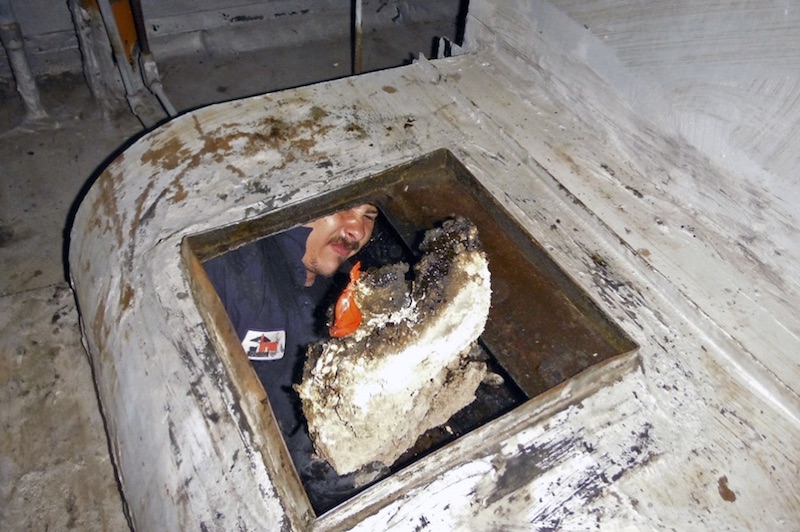
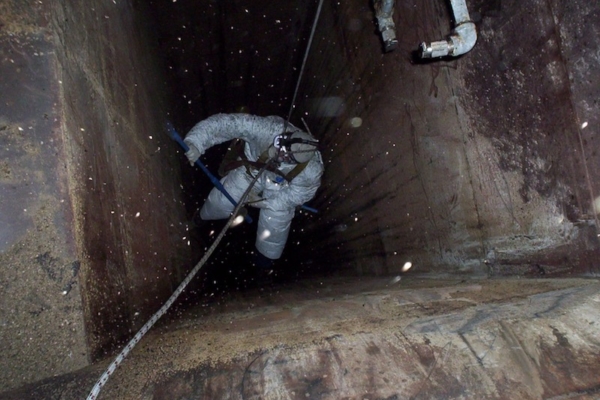
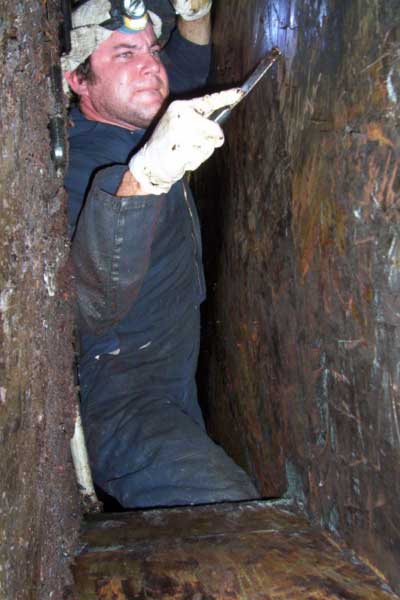
The flue cleaning process involves a thorough inspection and removal of grease, soot, and debris from the exhaust system. Our trained technicians use specialized tools to ensure your kitchen's flue operates safely and efficiently.
How do I know if my flue is blocked?
The signs of a blocked flue include unusual odors, excessive smoke, or poor ventilation in your kitchen. If you notice these symptoms, it's crucial to schedule a professional inspection to ensure safety and efficiency.
What are the costs of flue cleaning services?
The costs of flue cleaning services vary based on factors such as the size of the exhaust system and the level of cleaning required. For a precise estimate, we recommend scheduling a free on-site assessment with Bryan Exhaust Service.
Is flue cleaning required by law?
Flue cleaning is required by law in many jurisdictions to ensure safety and compliance. Regular maintenance helps prevent fire hazards and ensures that exhaust systems operate efficiently in commercial kitchens.
How can I maintain my restaurants flue system?
Maintaining your restaurant's flue system involves regular inspections, thorough cleanings, and prompt repairs of any issues. Schedule professional cleanings at least twice a year to ensure optimal performance and safety in your kitchen.
What are the benefits of regular flue maintenance?
The benefits of regular flue maintenance include improved safety, enhanced energy efficiency, and reduced fire hazards. Consistent cleaning prevents grease buildup, ensuring optimal performance of your exhaust system in commercial kitchens.
How does flue cleaning improve kitchen efficiency?
Flue cleaning improves kitchen efficiency by ensuring proper airflow and ventilation, which reduces the risk of overheating and fire hazards. This leads to a safer cooking environment and enhances the performance of kitchen equipment, ultimately boosting productivity.
What should I expect during a flue cleaning?
During a flue cleaning, you can expect a thorough inspection and cleaning of your exhaust system, including the removal of grease buildup, debris, and blockages to enhance safety and efficiency in your kitchen.
Are there any DIY methods for flue cleaning?
DIY methods for flue cleaning include using a vacuum to remove loose debris and inspecting the flue for blockages. However, professional cleaning is recommended for thorough maintenance and safety in commercial kitchens.
How can I find a reliable flue cleaning service?
Finding a reliable flue cleaning service involves researching local companies, checking online reviews, and verifying their certifications and experience. Additionally, consider requesting quotes and asking for references to ensure quality and professionalism.
What are common flue cleaning mistakes to avoid?
Common flue cleaning mistakes to avoid include neglecting regular maintenance, using improper cleaning tools, and overlooking hidden areas of the exhaust system. These oversights can lead to safety hazards and decreased efficiency in your restaurant's kitchen.
How does flue cleaning impact fire safety?
Flue cleaning directly impacts fire safety by removing built-up grease and debris that can ignite, reducing the risk of kitchen fires. Regular maintenance ensures exhaust systems operate efficiently, promoting a safer environment in commercial kitchens.
What certifications should flue cleaning professionals have?
Flue cleaning professionals should have certifications such as the National Fire Protection Association (NFPA) certification and the Chimney Safety Institute of America (CSIA) certification. These ensure they are trained in safe and effective cleaning practices for restaurant exhaust systems.
How long does a typical flue cleaning take?
The duration of a typical flue cleaning can vary, but it generally takes between one to three hours, depending on the size and condition of the exhaust system.
What are the signs of a malfunctioning flue?
The signs of a malfunctioning flue include poor airflow, unusual odors, visible soot buildup, and smoke backing up into the kitchen. These indicators suggest that immediate flue maintenance is necessary to ensure safety and efficiency in your restaurant.
Can flue cleaning prevent kitchen fires?
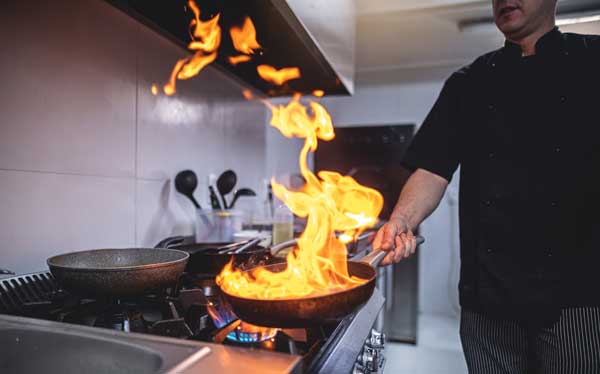
Flue cleaning can indeed prevent kitchen fires. Regular maintenance removes grease buildup and blockages, reducing the risk of ignition and ensuring safe operation of your restaurant's exhaust system.
What is the best time for flue cleaning?
The best time for flue cleaning is typically before the busy restaurant season, ideally in the spring or fall. Regular maintenance ensures safety and efficiency, preventing potential hazards during peak operation times.
How do I prepare for a flue cleaning appointment?
Preparing for a flue cleaning appointment involves ensuring the area around the exhaust system is accessible and free of any obstructions. Additionally, it’s helpful to inform staff about the scheduled service to minimize disruptions during the cleaning process.
What are the environmental impacts of flue cleaning?
The environmental impacts of flue cleaning include reducing air pollution and minimizing greenhouse gas emissions. Regular cleaning ensures efficient exhaust systems, which lowers energy consumption and helps maintain cleaner air quality in surrounding areas.
How often should I schedule flue maintenance?
Flue maintenance should be scheduled at least twice a year to ensure optimal performance and safety. Regular cleaning helps prevent grease buildup and reduces fire hazards in your kitchen.
What are the risks of ignoring flue cleaning?
The risks of ignoring flue cleaning include increased fire hazards, reduced air quality, and potential health risks for kitchen staff. Neglecting this maintenance can lead to costly repairs and operational downtime, jeopardizing the safety and efficiency of your restaurant.
How can I educate staff about flue safety?
Educating staff about flue safety involves conducting regular training sessions that cover proper maintenance practices, recognizing warning signs of flue issues, and emphasizing the importance of scheduled cleanings to prevent hazards in the kitchen environment.