

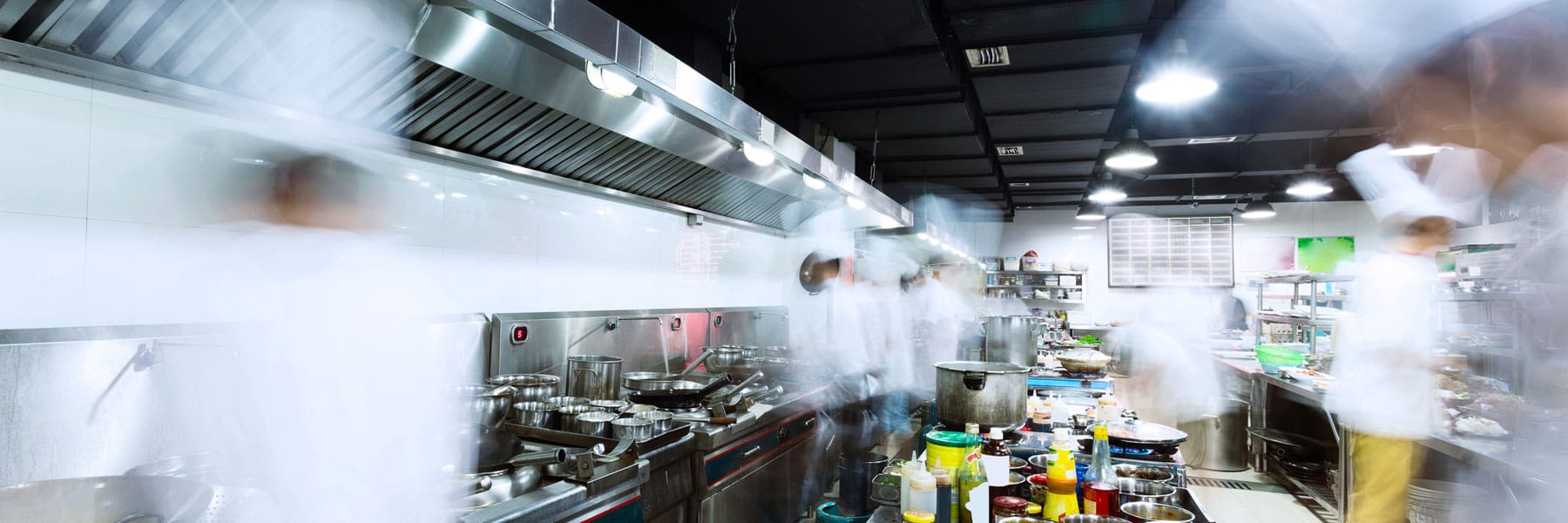
Proper airflow is one of the most important—and most overlooked—elements of a safe and efficient commercial kitchen. While chefs and owners focus heavily on food quality, staffing, and service speed, airflow quietly determines whether a kitchen remains comfortable, compliant, and protected from serious hazards.
When airflow is poor, heat builds up, smoke lingers, grease settles on surfaces, and equipment works harder than it should. Over time, these conditions create fire risks, health concerns, and costly breakdowns. When airflow is properly designed and maintained, kitchens operate more smoothly, staff work more comfortably, and safety risks are reduced.
This article explains, in simple and easy language, why airflow matters in commercial kitchens, how ventilation systems create and control airflow, what disrupts it, and how restaurant owners can maintain it. There is no technical jargon and no unnecessary complexity—just clear, practical explanations based on real-world kitchen environments.
Why Airflow Matters in Commercial Kitchens
Every commercial kitchen produces heat, smoke, steam, and grease. Cooking equipment releases these byproducts continuously during service.
Without proper airflow, these elements remain in the kitchen. Heat makes the environment uncomfortable. Smoke affects visibility and air quality. Grease settles on surfaces and equipment, increasing fire risk.
Good airflow removes contaminated air and replaces it with fresh air. This keeps the kitchen safer, cleaner, and more comfortable for everyone inside.
How Poor Airflow Creates Safety Risks
Poor airflow allows grease vapors to linger. Over time, these vapors settle inside exhaust systems and on kitchen surfaces.
Grease is fuel. When it accumulates, it increases the likelihood of fires, especially near cooking equipment and inside exhaust ducts.
Inadequate airflow also allows heat to build up, which can stress equipment and create unsafe working conditions for staff.
The Basics of Commercial Kitchen Airflow
Airflow in a commercial kitchen is controlled by the ventilation system. This system is designed to move air in a specific direction.
Hot, greasy air is pulled upward into an exhaust hood. That air travels through ductwork and is expelled outside by an exhaust fan.
At the same time, fresh air must enter the kitchen to replace what is removed. This balance keeps airflow consistent and effective.
When either side of this process fails, airflow suffers.
Ventilation Design: The Foundation of Good Airflow
Good airflow starts with proper ventilation design. A well-designed system includes:
- Exhaust hoods
- Ductwork
- Exhaust fans
- Makeup or replacement air
Each component must be properly sized and positioned based on the kitchen’s cooking equipment and volume.
If the system is undersized or poorly designed, airflow problems begin immediately.
Why Exhaust Hoods Are So Important
The exhaust hood is the first component responsible for controlling airflow. Its job is to capture heat, smoke, and grease as they rise from cooking equipment.
If the hood is too small, mounted too high, or poorly positioned, contaminated air escapes into the kitchen.
Effective hood capture keeps greasy air contained and moving in the right direction.
How Hood Capture Affects Airflow
Hood capture depends on size, placement, and surrounding conditions.
Cross drafts from doors, fans, or air conditioning can push smoke and grease away from the hood. Improper equipment placement can cause thermal plumes to miss the capture area.
When hood capture is compromised, airflow efficiency drops and grease spreads throughout the kitchen.
Exhaust Loads: Why Cooking Equipment Matters
Different cooking appliances produce different exhaust loads.
Light-duty equipment produces minimal grease and heat. Heavy-duty equipment such as grills, fryers, and solid-fuel appliances produces large amounts of both.
High-volume cooking increases exhaust loads even further. The ventilation system must be designed to handle peak production, not just average use.
When exhaust loads exceed system capacity, airflow becomes ineffective.
Table: Key Components That Control Kitchen Airflow
| Component | Role in Airflow | Why It Matters |
| Exhaust hood | Captures heat and grease | Prevents fire risk |
| Ductwork | Moves air safely | Contains grease |
| Exhaust fan | Creates airflow | Maintains ventilation |
| Replacement air | Balances pressure | Keeps airflow stable |
This table shows how airflow depends on the entire system working together.
The Role of Replacement Air
Every bit of air removed from a kitchen must be replaced.
Replacement air can come from makeup air units, swamp coolers, or other areas of the building. Without enough replacement air, the exhaust system struggles.
Insufficient replacement air causes negative pressure. Doors become hard to open, airflow weakens, and smoke lingers.
Balanced airflow depends on proper replacement air.
How Maintenance Impacts Airflow
Even a well-designed ventilation system will fail without proper maintenance.
Grease buildup inside hoods, ducts, and fans restricts airflow. Dirty fan blades move less air. Worn belts reduce fan speed.
Over time, small maintenance issues combine to significantly reduce ventilation performance.
Why Grease Is the Biggest Airflow Enemy
Grease is sticky and accumulates slowly. As it builds up inside the exhaust system, it narrows airflow paths.
Restricted airflow causes heat and smoke to back up into the kitchen. Fans work harder, increasing wear and risk of failure.
Regular cleaning removes grease and restores airflow efficiency.
Equipment Placement and Airflow
Where cooking equipment is placed affects airflow.
Equipment should be positioned so that heat and smoke rise directly into the hood. When appliances are misaligned, airflow becomes uneven.
Proper placement reduces grease spread and improves ventilation efficiency.
How Proper Airflow Protects Equipment
Good airflow helps equipment operate within safe temperature ranges.
When heat is removed efficiently, equipment experiences less stress. Motors, electronics, and controls last longer.
This reduces breakdowns and extends the life of expensive kitchen equipment.
Airflow and Energy Efficiency
Proper airflow also affects energy costs.
When ventilation works efficiently, equipment does not need to compensate for excess heat. Air conditioning systems work less. Fans operate at optimal levels.
Over time, this reduces energy consumption and operating costs.
Why Owners Often Overlook Airflow Issues
Airflow problems develop gradually. Kitchens adjust to rising heat and smoke over time.
Because airflow issues do not usually cause immediate failure, they are often ignored until problems become severe.
Understanding airflow helps owners address issues early.
The Importance of Professional Maintenance
Professional inspection and cleaning ensure that airflow systems function as intended.
Technicians can identify grease buildup, worn components, and airflow restrictions that are not visible from the kitchen floor.
Regular professional maintenance prevents small issues from becoming major hazards.
How Bryan Exhaust Supports Proper Airflow
Bryan Exhaust helps restaurant owners maintain proper airflow by cleaning and servicing kitchen exhaust systems thoroughly.
By removing grease, inspecting fans and ducts, and restoring airflow efficiency, we help kitchens stay safer and more comfortable.
Final Thoughts
Proper airflow is essential to the safety, comfort, and efficiency of commercial kitchens. It affects fire risk, equipment life, energy use, and working conditions.
Understanding how airflow works—and how it is disrupted—allows restaurant owners to take proactive steps to protect their kitchens.
When ventilation systems are properly designed, maintained, and cleaned, airflow works quietly in the background, keeping kitchens safe and efficient every day.
Services We Provide
Professional commercial kitchen exhaust and ventilation cleaning services ensuring safety and compliance.
